

7 Mistakes To Avoid When Implementing An ERP
7 Mistakes To Avoid When Implementing An ERP
Implementation of any large-scale and complex system in a business will inevitably come with its own set of challenges. And an enterprise resource planning (ERP) solution is no exception. Therefore, being aware of these challenges beforehand and taking steps to avoid them is your best bet to avoid a costly implementation failure.
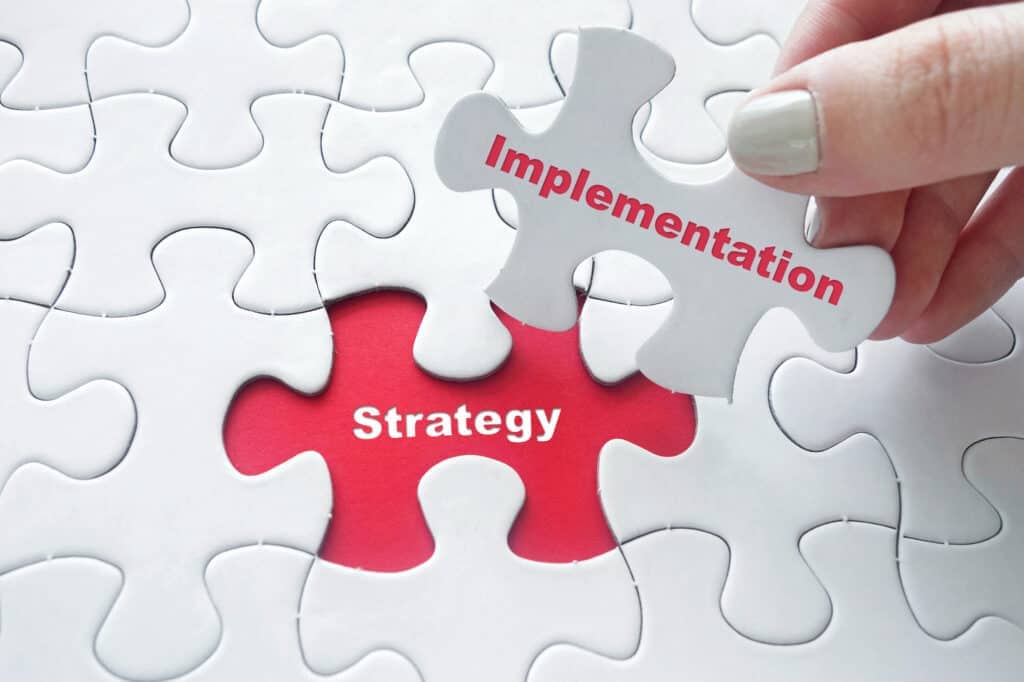
What are these mistakes?
Some of the biggest mistakes that companies make before implementing an ERP are having unrealistic expectations (urge to go fast, aka no plan), not embracing necessary change, not considering the full cost, beginning the process without cleaning and structuring data, excessive customization, not asking the right questions, and minimizing how important people are to the success of this transition.
1. Planning the Implementation
An ERP is not just any tool a business can use with no proper implementation; it takes months for an ERP to be fully implemented and ready to use, making planning for this process imperative. This long, tedious process is because an ERP system encompasses all aspects of your business, ensuring that all your customer data and configurations are all figured out and ready to use. This means that there must be clear planning and communication with your team when deciding to implement an ERP system.
2. Embrace Change
Another important aspect needed in this process is having an open mind and being open to change. So many companies have become accustomed to the software that they have been using for decades and worry about the upfront costs associated with switching to a cloud-based ERP system, but what they don’t realize is how much money they will be saving in the long run if only they are willing to invest in an ERP system today.
It’s easy to become content with the systems that have been in place for years. Getting your employees to recognize the need for necessary change can be challenging for any business. This can be especially challenging when it comes to an ERP system, due to the massive changes that come along with implementation. To combat these issues, placing the focus on the positive impact that this new system will bring to your employees and their tasks is key. That is why change management is essential. With uncontrolled and badly managed changes, a system that’s meant to make things more efficient and easier can end up becoming chaotic, making it difficult to maintain and use. A well-defined change management strategy that includes effective communication and end-user training will help ensure acceptance and facilitate the adoption process.
3. Understanding your needs
When it comes to an ERP system, it is essential to know your current and future business needs to select the right ERP. Not all ERPs are the same; some focus entirely on one module and require vast configuration and customization to tailor the ERP to your basic requirements. In addition, many ERPs require third-party consultants to customize and implement the ERP to your business which increases the price tremendously. Therefore, completely comprehending how your business will use the ERP system and what specifications it will need will aid in searching for a suitable ERP. Ultimately, finding an ERP that best fits your current and future goals is imperative and must not be overlooked.
4. Over Customizing
Up to 93% of companies customize their ERP based on their intended purpose, but this excessive customization and adding of features, can lead to the over complexity of an ERP system and ultimately lead to failure due to difficulty of use. More customization isn’t always better and it’s best to keep those to a minimum. Taking the time to understand exactly what features you require and sticking with those is a key factor in success.
 5. Clean Your Data
At this stage, once a company accepts that switching over is the best decision, starting with clean data and not having duplicates of files can help immensely when organizing your resources. Remember that this is a whole new system that needs the correct data to optimize current and future operations; hence having up-to-date data and organized information will enhance the use of the ERP. Cleaning out your data will further optimize your new ERP system allowing for an effective and efficient way of using it. Taking the time to clean your data can help save you time on your ERP implementation because it can help prevent problems down the road.
That is why taking the time to go in and review documents to get rid of any copies and duplicates can help save you time and money and make the transition easier.
6. Asking the right questions
Being overly confident and not asking for help and clarification when necessary can be the worst mistake a company can make when implementing an ERP system. As in any implementation process, costs can creep up and add up quickly. Therefore, not being diligent with making sure you ask all the right questions and trying to figure things out on your own can lead to avoidable but costly mistakes. Vendors are there to help you get the most out of your ERP system and to make sure they can optimize the system’s functionality, including what works, and especially what doesn’t. Not being afraid to ask the right questions during this process can make your and your employee’s time during this adjustment period much easier.
7. Dedicated team
The final mistake most made during the transition process is not realizing how important people are to this process. Having the right team with the right attitude and willingness to put in the time to learn new software, while doing your best as a manager to be patient with your employees as they are learning a new system can greatly aid in preventing costly mistakes and smoothly transitioning over.
If you are open and do not have unrealistic expectations, and make sure you have the right people who are willing to put in some time to make this transition possible, many of these mistakes can be avoided and the process will in turn be less stressful and costly.
The Kechie Solution
To avoid these struggles that come along with your company’s growth and the hassle of implementing an unsatisfactory ERP, selecting Kechie ERP will give you the competitive edge you need to make this process as simple as possible. Having the right software in place and collaborating with the right people can help you make the transition much more enjoyable and rewarding in the end.
Contact us today to schedule a demo or learn more about how Kechie from My Office Apps can redefine your Inventory Management process.


Benefits of an ERP System in Cosmetics Manufacturing
Is an ERP system the key to your company’s success?
Is an ERP system the key to your company’s success?
With new innovations and products emerging daily, a fast-paced industry such as cosmetics relies heavily on quality control and science-backed precision to ensure smooth operations and manufacturing processes. We understand that the struggles that many manufacturers face are things such as keeping up with strict regulatory rules, the everchanging price of raw materials, and making sure they can deliver high-quality products that are simultaneously eco-friendly. One way to help optimize and streamline these processes is by implementing an Enterprise Resource Planning (ERP) system. With an ERP system in place, you will be able to make sure things are done more efficiently, have instant access to your most important information, and these things done together will aid in faster growth and higher profits for your company in the long run.
Efficiency and Traceability
One of the ways an ERP system can help you run your cosmetics business more efficiently is by helping eliminate any administrative tasks that are time-consuming and unnecessary to the manufacturing process. By making the process more efficient, you can cut down one of the largest costs involved in the manufacturing process, which is the costs associated with labor. As part of good manufacturing practices, an ERP system can help by allowing you to have records of every manufactured batch through batch numbers. This helps you know where all your items are in the process from manufacturing to delivery.
The reason tracking and traceability are so important, especially for a company that manufactures perishable items such as cosmetics is that being able to catch quality control problems early on and eliminate them before you go further down the process can save you not only time, and money, but also prevent waste.
Data in real-time

Another advantage that comes along with having an ERP system for manufacturers is being able to view all data from the manufacturing process in real-time. This helps with communications between different steps in the operations and the decision-making process if problems do arise. Why this is so essential to a company's success due to the interconnectivity within departments and how when data inconsistencies and discrepancies occur in one department, they can bleed into another and cause a great deal of confusion, leading to errors and slowing down productivity.
Managing perishable inventory efficiently
With inventory management being one of the most important parts of a company, to make sure the right number of items are stocked at all times, as well as aiding in avoiding crises during recall, the use of lot numbers is essential to the inventory management process. This is especially important in an industry such as cosmetics where items are perishable.
Lot numbers are unique tracking numbers that are used when tracking items throughout the manufacturing process and can be used to identify recalled items or products with defects.
Like any other perishable good, having an overview of the location and knowing critical use-by-dates, are musts in dealing with products that have fixed lifespans.
Managing a broad inventory range
One of the major benefits a cosmetic company obtains by having a good ERP system in place is assistance with managing broad inventory. The Cosmetic industry has many unique attributes that make it different to manage from others. With a wide range of products on hand at any given time, specific characteristics for products such as color, usage, and sizes, and required knowledge in managing complex inventory based on the consumers' demand, without an ERP system in place, this complex process can soon become very challenging. Therefore, the implementation of an ERP system can aid in this complex process.
Whether there are two product lines or thousands, having effective management over your inventory can become a daunting task, and counting manually is no longer an option when your company is growing rapidly. Having a system in place that can easily automate all these processes, and make sure you always have enough stock on hand can provide you with a competitive advantage and save you time and money in the process.
Bill of Materials (BOM) and Raw Materials
The complexity of handling formulas, which is essential for manufacturing, requires a flexible ERP system that can handle a flexible BOM. The right ERP can help with scaling based on desired finished goods, quantities, and concentrations, taking into account any shrinkage or reduction due to manufacturing processing.
A Bill of Materials refers to a list of raw materials, as well as quantities of each needed to manufacture a particular product. An ERP software with Bill of Materials capabilities allows you to create and manage your materials by giving you a list of all essential items and their quantities to help make the manufacturing process more accurate and overall efficient.
Having these capabilities will allow you to lay out a well-detailed plan that helps your company follow aspects of the production process such as the planned purchase of raw materials, estimating material costs, managing inventory, tracking and planning material requirements, budget control, and compliance with FDA regulations.
Kechie ERP
To avoid the struggles that come along with managing a large inventory and the hassle of implementing an unsatisfactory ERP, selecting Kechie ERP will give you the competitive edge you need to make this process as simple as possible. Kechie’s innovative easy-to-use software can easily take the struggles that come along with inventory management and provide you with a system that can be tailored to your unique business. Having the right software in place and working with the right people can help you run your business more smoothly and save you not only time but also money. Contact us today to schedule a demo or learn more about how Kechie from My Office Apps can redefine your inventory management process.