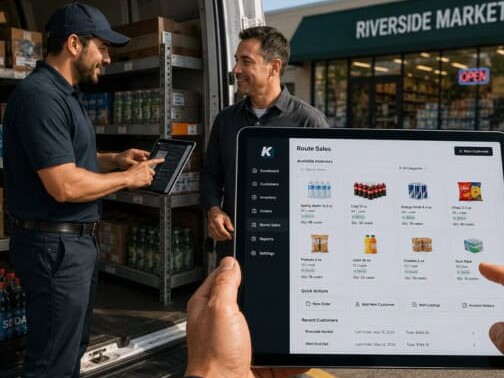
Inventory Management for Universities, Stop Losing Track of Campus Assets
Walk across any campus and you see busy classrooms, labs, bookstores, IT teams, and facilities crews.
You do not see the steady flow of equipment, supplies, and purchase requests behind the scenes.
Laptops are issued. Lab instruments are transferred. Maintenance parts are consumed. Departments submit purchase requests daily. Bookstores reorder seasonal inventory. Equipment moves between campuses.
Do you run operations, IT, facilities, or purchasing? Then your job goes beyond inventory. You own what gets bought, where it goes, and who is responsible for it.
Without a system, buying and tracking drift apart. That is where inventory management software for universities fills that gap.
Universities Operate Like Small Cities
A typical institution manages:
• Laptops and tablets assigned to faculty and students
• Desktop computers and servers in labs
• Projectors and AV systems in lecture halls
• Scientific lab equipment and research instruments
• Facilities maintenance parts and MRO inventory
• Furniture and fixtures
• Bookstore inventory and course materials
• Department specific tools and specialty equipment
Now multiply that across dozens of departments and multiple campuses.
Without central university inventory management, simple questions get hard to answer:
Do we already have this item in stock?
Who approved this purchase?
Where is that equipment now?
Why are we reordering items that should be available?
Inventory and purchasing must work together. If they do not, schools overspend and lose track of assets.
Serialized Inventory Tracking, The Difference Between Quantity and Control
Counting totals is not enough for higher education. High-value campus assets need serialized inventory tracking.
Serialized tracking gives each asset its own serial number. You track each device on its own instead of logging 200 laptops as one count.
Universities need this for:
• IT equipment tracking for faculty and students
• Lab equipment accountability and compliance
• Asset assignment by department or individual
• Warranty and service history tracking
• Reducing lost or unreturned devices
• Supporting audit readiness
When someone leaves, you see which device they had. When a lab tool gets repaired, you have its full history.
Kechie Inventory Management puts inventory control first. Serialized items are tracked from receipt through assignment, transfer, repair, and retirement. Every movement is recorded in real time.
This tracking makes every department accountable.
Procurement Is Part of the Control, Not a Separate Process
Many universities must use a district or school accounting system. Buying should still connect to inventory.
Most inventory problems start in purchasing.
Departments order without checking stock. They buy items that already sit unused in another building. Rush orders happen because nobody saw the reorder point.
Kechie includes procurement management in the same system. Purchase requests, approvals, and purchase orders link to inventory.
That means you can:
• Review available inventory before issuing a new purchase order
• Send department requests through set approval steps
• Receive items into inventory on delivery
• Tie serialized assets to specific purchase records
• Track open purchase orders in real time
You keep your required accounting system. You gain control before and during each purchase.
You make fewer duplicate purchases. You also see clearly what is on order and what is already in stock.
IT Equipment Buying and Lifecycle Visibility
Replacing technology is a major expense for universities.
Without shared data, IT teams often buy more devices without checking stock or repair history.
With inventory and purchasing in one system, you can:
• Review serialized device counts before approving new purchases
• Track asset age and condition
• Monitor repair frequency
• Plan refresh cycles based on real usage data
You buy based on data, not panic.
Facilities and MRO Purchasing Control
Facilities teams often buy parts and equipment in a rush.
With multi warehouse visibility , facilities leaders see stock across every building before they order. Usage data sets reorder points. Serialized tracking supports high value equipment maintenance history.
You make fewer rush orders and hold less extra stock.
Bookstore and Academic Materials Management
Bookstores face seasonal demand swings. Ordering too much ties up budget. Ordering too little impacts students.
When purchasing links to live inventory data, bookstores can:
• Order based on actual sell through rates
• Transfer stock between locations
• Control high value electronics with serialized tracking
When inventory and buying work together, you waste less and plan better.
Centralized Inventory Control That Supports the Mission
Universities exist to teach students and support research. Poor inventory and buying habits drain money from that mission.
Decisions improve when you see what is in stock, what is on order, and who owns each tracked asset.
Kechie provides cloud based inventory management with built-in purchasing and live data. Serialized assets, multi-campus inventory, and purchasing workflows all run in one connected system.
For operations leaders, the benefits are clear:
• Fewer duplicate purchases
• Stronger department accountability
• Real time campus wide visibility
• Reduced asset loss
• Better control over capital equipment
Comparing inventory management software for universities? Ask one question:
Can you see, in real time, what you own and what you are about to buy?
If not, replace scattered steps with one higher education inventory system.
See how Kechie helps your campus control tracked assets and purchasing. Book a 20-minute ERP call. Find where your current process costs you time, equipment, and clarity.
Schedule a Free Demo Today!
See how Kechie ERP can help your business and save you time, money, and hassle. Click the button below to schedule your free demo.
Schedule Your Kechie Demo Now!In This Article
-Universities Operate Like Small Cities
-Serialized Inventory Tracking, The Difference Between Quantity and Control
-Procurement Is Part of the Control, Not a Separate Process
-IT Equipment Buying and Lifecycle Visibility
-Facilities and MRO Purchasing Control
-Bookstore and Academic Materials Management
-Centralized Inventory Control That Supports the Mission