
Start the Year Strong with ERP: A Guide to Transforming Your Business Operations
Start the Year Strong with ERP: A Guide to Transforming Your Business Operations

If you're looking to start the year on the right foot, here's why ERP should be on your priority list—and how it can transform your business.
Why the New Year Is the Best Time to Invest in ERP
The beginning of the year offers a unique opportunity to implement transformative changes. Here’s why ERP adoption aligns perfectly with this timing:
1. Fresh Budget Allocation: The new year often comes with renewed budgets, allowing businesses to allocate resources for technology upgrades like ERP systems.
2. Operational Reset: Starting with an ERP system early enables businesses to streamline operations and avoid inefficiencies throughout the year.
3. Scalability for Growth: As businesses set ambitious goals, ERP provides the flexibility and tools to support expansion.
4. Improved Reporting for Strategy: Leverage ERP’s robust reporting features to analyze the previous year's performance and guide new initiatives.
Benefits of Starting the Year with ERP
1. Centralized Data Management
An ERP system like Kechie ERP integrates all your critical business functions—finance, inventory, manufacturing, sales, and more—into a single platform. This ensures that your data is accurate, up-to-date, and easily accessible for better decision-making.
2. Streamlined Processes
With ERP, manual processes like data entry, reconciliations, and inventory tracking are automated. This reduces errors and frees up your team to focus on strategic tasks.
3. Real-Time Insights
ERP provides real-time dashboards and reports, enabling you to monitor key performance indicators (KPIs) and adjust strategies as needed.
4. Enhanced Collaboration
By breaking down departmental silos, ERP fosters better communication and collaboration across teams, improving overall efficiency.
5. Future-Ready Scalability
A modern ERP system is designed to grow with your business, accommodating increased workloads, additional users, integration with e-commerce partners and new functionalities as needed.
ERP Myth: It’s Only for Big Businesses
One of the biggest misconceptions about ERP is that it’s only for large corporations. This myth couldn’t be further from the truth. Modern ERP solutions are scalable and customizable, making them accessible for small and mid-sized businesses.
Whether you’re a growing company or an established enterprise, ERP systems provide tools to manage operations efficiently and stay competitive in your industry.
Curious to learn more ERP Myth? Watch our video debunking common ERP Myths and see how businesses of any size can benefit.
How to Start the Year Strong with ERP
-
- Evaluate Your Needs
Assess your business operations to identify pain points and inefficiencies. Consider areas where ERP can bring immediate improvements, such as inventory management, financial reporting, or customer relationship management (CRM).
-
- Research ERP Solutions
Not all ERPs are created equal. Look for a solution tailored to your industry and business size, with features like scalability, user-friendly interfaces, and robust reporting tools.
-
- Plan for Implementation
Set realistic timelines for ERP implementation. The new year provides a clear starting point for introducing new processes and training your team.
-
- Engage Your Team
Involve key stakeholders from all departments to ensure the ERP system aligns with your operational goals and workflows.
-
- Partner with the Right Provider
Choose an ERP provider with a proven track record of successful implementations and excellent customer support.
Kechie ERP: Your Partner for Success in the New Year
If you’re ready to take your operations to the next level, Kechie ERP offers a comprehensive solution tailored to your needs. Key features include:
- Real-Time Reporting: Access accurate data and actionable insights instantly.
- Inventory Optimization: Track inventory levels and avoid costly overstock or stockouts.
- Financial Automation: Kechie Financial Module offers simplify accounting and tax compliance with automated workflows.
- Scalable Modules: Add functionalities as your business grows without disruptions.
Conclusion: Make This Year Count
The new year is a time of fresh beginnings and ambitious goals. Implementing an ERP system is more than a resolution—it’s an investment in your business’s future. With an ERP, you can streamline operations, improve decision-making, and set the stage for long-term success.
Start the year strong! Connect with us today and let our expert team guide you through the process of discovering the transformative potential of our solutions.
Stay tuned for our series of insightful blogs—your roadmap to exploring the full potential of ERP.

Meals on Wheels Case Study
Meals on Wheels San Francisco Transforms Supply Chain Management to Serve Up to 30,000 Meals Each Day with OpenEdge-Powered ERP by MyOffice Apps
2020 | Case Study
Challenge
Meals on Wheels America has 5,000 independent programs across the United States, with the program in San Francisco being one of the largest in the nation. Founded in 1970, the San Francisco location delivers more than two million meals each year to thousands of homebound seniors through its daily Home-Delivered Meals program and volunteers deliver bags of groceries to 500 seniors every week as part of the Home-Delivered Groceries program, a collaboration between Meals on Wheels San Francisco and the SF- Marin Food Bank.
Meals on Wheels San Francisco will be set to deliver up to 30,000 meals each when the need comes, and according to City data, that need is not far away. As Richard Crocker, Food Safety and Compliance Manager at Meals on Wheels San Francisco, explained, “In 2020, we opened a new, $42 million state-of-the-art industrial kitchen and food distribution center with an eye on increasing our capacity, quality of foods, and variety of offerings in order to keep up with the growing population of food insecure seniors that live in San Francisco.”
In order to produce high-quality meals at this capacity, Meals on Wheels has designed large-scale food storage processes and systems that allows for more food products to be safely refrigerated and stored for use. These food products are what the organization’s culinary team draws from in order to design healthy and delicious meals for clients. To reach this lofty goal, Meals on Wheels required an enterprise resource planning (ERP) system that could:
- Provide accurate inventory information, accounting for substitutions in real-time
- Track food costs and expiration dates to minimize food loss
- Enable the flexibility to create new meal combinations
- Provide authorization capabilities
- Seamlessly integrate with the third-party food distributors
Some 4,000 older adults in San Francisco rely on Meals on Wheels daily for their nourishment needs, which is why the ERP systems’ assurance that nothing was falling through the cracks was critical.
Solution
Meals on Wheels turned to My Office Apps’ (MOA) fully integrated, cloud-based ERP called Kechie. Its powerful, easy-to-use software features a straightforward user interface and robust pre-built reporting capabilities helps new users get up and running quickly. For nearly 30 years, MOA’s founder Mehrdad Komeili has been using the Progress® OpenEdge® integrated development environment to build its high-performance and reliable applications. Mehrdad Komeili initially started using OpenEdge 6 as an end-user and is now using on OpenEdge 12 to take advantage of the latest features to build Kechie by MOA.
As Frank Scott, Director of Fleet and Facilities, Meals on Wheels San Francisco, explained, “The Kechie software solution will allow us to monitor our end-to- end supply chain management from procurement, inventory and tracking to the end destination, which is into the refrigerators of our meals recipients.” Kechie was implemented throughout the organization from the kitchen to the inventory rooms, to the meal deliveries themselves.
Given that implementing an ERP is significantly different in a kitchen than in a manufacturing setting, Kechie underwent several changes for this unique use case. Not only was the ERP adapted to address inventory accuracy and substitutions, but also the production of trays ready to be delivered. The MOA team also integrated with third-party food distributors, including US Foods, Gordon Foods, and Second Harvest, to improve efficiency and accuracy for their clients.
Results
Through the partnership with MOA and Progress, Meals on Wheels has been able to onboard more users, in the San Francisco Chapter helping Meals on Wheels San Francisco reach its goal of delivering up to 30,000 meals in a single day and over 2 million meals a year.
As Crocker continued, “Now, almost a year in to implementing the Kechie Management System, we’re able to better manage our warehouse inventory and internal distribution in a way that was not possible before. My Office Apps helps us streamline our processes. Receiving personnel can now look up expected deliveries and plan for them and distribution of products is now tracked from beginning to end. Because we’re able to get this information immediately, we can scale these recipes correctly to ensure quality and flavor are retained. Knowing exactly what we have on hand and where it is at any given moment is a huge time saver for our staff. Overall, we can now adapt to capacity demands that may fluctuate by thousands of meals daily and know with confidence that the people who count on us each day will not go hungry or be disappointed by their meal.”
Mehrdad Komeili, the founder of MOA, started the company to provide small and medium-sized businesses with an ERP system that is both scalable and affordable. Since founding the company in 2014, Mehrdad Komeili and the team at MOA have dedicated themselves to consulting with nonprofits to improve their overall operations and give back what they can to make the world a better place. The technology provided by OpenEdge helps his company deliver on this promise to organizations like Meals on Wheels and other non-profits.
“Our clients need simplicity, but also a powerful, consistent solution,” he said. “And OpenEdge has given us speed and responsiveness, no matter how big the database, how many users or how high the transaction rate—there is no downtime.”
Case Highlights

Top Challenges
- Managing the Supply Chain
Key Solutions
- Implemented Kechie ERP
Results
- Increased delivery accuracy
- Increased the production of tray deliveries

Caitec Case Study
Caitec Doubles Business with 30% Less Overhead Using Kechie ERP Software
2020 | Case Study
Challenge
Caitec made the strategic decision to move from growing their business by double-digit percentages to doubling and tripling their business. This type of aspirational business growth required an Enterprise Resource Planning (ERP) solution to scale with their company quickly. This need for rapid implementation required the My Office Apps team to remove the complexity and streamline operations.
“”[The] Service, support, and responsiveness from My Office Apps has been outstanding. Overall, an excellent experience.”
– Rich Nornhold | VP of Operations
They also integrated order processing, receiving, product location, shipping, and finance; be easy to implement and tuned to their operational requirements; and easy for new users to come up to speed and learn how to use the system. The demands of their custom design and manufacture of products for OEM customers, along with managing their manufacture and distribution to retail and direct-to-consumer outlets, had outstripped the capabilities of their QuickBooks-based system.
Solution
Caitec selected the full suite of inventory and financial management capability offered by My Office Apps Kechie cloud-based ERP software system over three other competitive systems.
Results
Rich Norn hold, VP of Operations, Caitec, has led the modernization of its manufacturing, inventory management, and supply chain systems. “We’ve refined our manufacturing process on the back end to make us as efficient at one unit as we are with a million units,” said Nornhold. “What’s important to our business customers is our responsiveness and our ability to work with them on any project that they can conceive.” Caitec needed the same responsiveness from their ERP software supplier.
“We quickly came to the conclusion that Kechie was going to be the best solution for us because the other software packages were – here’s what you get, like it or lump it.” My Office Apps team’s ability to customize the implementation in the early rollout stages ensured the success of the project.
To achieve their vision of doubling revenue while lowering expenses, they need an ERP system that would allow them to change processes and implement those changes within the software system. Continue Nornhold, “We looked at four different options in terms of ERP systems and did a competitive comparison with pluses and minuses and a return on investment of each one and came to the conclusion that Kechie was going to be the best solution for us.”
For example, Caitec needs an ERP system to help them optimize their inventory picking process. While their warehouse was laid out logically, the existing financial system wasn’t location-based. Order entry and receipt of product required a manual entry process from spreadsheets. T he people in the warehouse would spend an excessive amount of time looking for inventory. With Kechie, EDI orders are now going automatically into the system. Caitec has been able to implement a location-based inventory and control its inventory numbers even as its volume has doubled. “Rather than having to bulk up our warehouse to meet customer fulfillment demands, we’re able to manage that inventory more closely. Our inventory levels have come down, and our service levels have not dropped,” added Nornhold.
A year and a half after implementing Kechie, Caitec could directly measure the impact on their business. “We met our goal of doubling our business while reducing headcount and expenses 30-35%. To us, that was a direct saving due to implementing Kechie,” continued Nornhold. “In addition to better inventory management and shipping, we’ve freed up a good bit of time on the front end of order processing. And because it’s cloud-based, we can securely access Kechie from anywhere in the world, and now that everyone is living in a world of remote work, it’s been a godsend.”
“The overall cost was where we wanted it to be, and our staff came up to speed on Kechie during the implementation. Service, support, and responsiveness from My Office Apps has been outstanding,” concluded Nornhold. “Overall, an excellent experience.”
Case Highlights
Top Challenges
- Business scalability
- Operation inefficiencies
Key Solutions
- Implemented full suite of Inventory and Financial Management modules from Kechie ERP
Results
- Implemented scalable ERP platform
- 30-35% reduction in operating cost
- Doubled business volume
- Optimized picking and warehouse management
- Optimized order processing and receiving
Computer Memory Solutions Case Study
Computer Memory Solutions Increased Shipment accuracy Rate to 99.9% with Kechie ERP
October 1, 2019 | Case Study
Challenge
Computer Memory Solutions (CMS), an electronics component supplier had been using Excel spreadsheets to manage their business. However, they had concerns over their shipping accuracy rates, BOM integrities due to the manual processes involved, and lack of a Materials Requirement Planning (MRP) tool to plan their manufacturing. They were also concerned about whether they had a good handle on what was happening in their operations and whether they would progress to the next level with their current processes and tools. In 2019, they turned to My Office Apps to upgrade their business management software and processes.
Solution
CMS went live with the Kechie ERP software in October 2019. Their Head of Operations, Gustavo Lechuga, and his team worked closely with the implementation team at My Office Apps to develop a solution optimized for his company’s requirements. Mr. Lechuga has been thrilled with the My Office Apps team’s level of support from the integration through to the post-implementation support. Any implementation issues were resolved very quickly, most within one business day. Emergency requests from CMS were handled right away.
“Kechie adapted to our operations system and it did not change the way we run our business, allowing us to have a strong system in place that allows us to properly track our business growth, financial gains and expenditures.”
– Gus Lechuga | Sr. Director of Business Development
The implementation included integration with other external software to interface with shipping companies and a custom program called “BarTender” that printed out custom labels for their shipping boxes. The Kechie ERP software could easily handle the traceability requirements of CMS. It could also provide excellent handling of products shipping under multiple brand names, which can be a challenge for other ERP systems.
Results
The results at CMS once they went live with Kechie have been impressive. The shipment accuracy rate has increased tremendously to 99.9% or higher. As Mr. Lechuga said, “There is almost no room for mistakes.” He particularly likes the ability to obtain operations status when he is not in the office, which is a great help when he is on a business trip.
He also likes the ease of use and the fact that it is easy to teach new employees how to use Kechie. Mr. Lechuga indicated that he recently brought onboard three new employees and had them productively using the Kechie ERP software within a day or two. The software features fully integrated modules such as Shipping, Sales, Manufacturing, and more. All the activities of a particular function are consolidated with its module, making it easy and efficient to process the needed data. They no longer have to jump between different software programs to get the work done.
Perhaps the best gauge of how someone likes a software package is whether they would recommend it to others. We asked that question to Mr. Lechuga, and he answered that he has already been urging other companies to use the Ketchie ERP software and feels that his partnership with My Office Apps will allow him to take CMS to the next level.
Case Highlights

Top Challenges
- BOM Integrities due to manual processes
- Lack of an MRP
- Shipping Accuracy
Key Solutions
- Implemented Kechie ERP
Results
- 99.9% shipment rate accuracy
- Easy Employee Onboarding
- Operation Status available at anytime
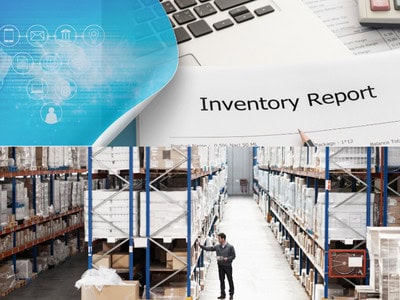
Inventory Valuation: The Key to Accurate Financial Reporting
Understanding Inventory Valuation: A Critical Step in Year-End Reconciliation

Stay tuned for our series of insightful blogs—your roadmap to exploring the full potential of ERP.
New Life Center Case Study
Empowering New Beginnings: How Kechie Inventory Management Transformed New Life Centers’ Impact
November 26, 2024 | Case Study
Challenge
New Life Centers began with humble beginnings, driven by a mission to support low-income families, homeless communities, and youth affected by violence. They are known for being the first on the scene to provide assistance for gang-related violence in their community. However, as crisis struck their community, they faced overwhelming challenges. The organization struggled to manage an unprecedented influx of donations, track where these essential items were allocated, and provide accurate and detailed reporting to their partners.
“We faced all sorts of challenges with no system in place; everything was done with pen and paper and back-and-forth email correspondence” shared Andre Gordillo, Director of the New Vecinos Program. Connie Marquez, the Warehouse Director, added, “We were doing everything by hand. So that was one of the biggest problems. We literally were building the plane while flying.”
“We went from zero to one hundred by being able to run reports for meetings with our donors and state partners,”
– Andre Gordillo | Director of the New Vecinos Program
Some of these challenges included:
- Managing, organizing, and distributing a surge of donations
- Distinguishing between purchased and donated items
- Keeping track of Inventory
- Manually creating welcome kits for each family
- Accurate reporting on funding allocation and organizational performance—areas crucial for securing state and city-granted funds and maintaining donor trust
All of these manual processes—doing everything by hand—threatened the organization’s ability to serve its community at the level they wanted. They knew they had to do something.
Solution
New Life Centers sought an inventory management solution, and found it in Kechie. This user-friendly, cloud-based software offered the comprehensive tools necessary to tackle the new challenges New Life Centers was facing. “When I first heard of Kechie and we did the demo, I thought for sure right away like, this is it. It felt like it had all the bells and whistles of what our organization needed,” Connie Marquez stated.
Kechie Features used:
- Inventory Management
- Multi Warehouse Management
- Logistics
- Distribution Management
- Lot Tracking
- Kitting
- Procurement
- Reports
- Portal for Connection to Other Nonprofit organizations
Results
The impact of Kechie on New Life Centers has been transformative. With the ability to run detailed reports, the organization has greatly improved accountability and efficiency in managing their resources. Some of these benefits are listed below:
- Real-time inventory management
- Full traceability in all transactions
- Automated procurement process
- Enhanced accountability and transparency in the donation process
- Donation recipients were required to sign for the items on delivery, ensuring accurate record-keeping and trust in the distribution process
- Separated donated items from purchased items by providing lot tracking
- Organized their inventory into various categories—perishable goods, clothing, furniture, and more
- Tracked donations coming and going with ease
- Provided real-time updates to donors and partners
- Automated the creation of welcome kits for families
One of the most significant outcomes of implementing Kechie was the creation of a unique portal that connected New Life Centers with the various community-based organizations (CBO’s) that they work with. “It’s a game-changer for us. Now, our partner organizations can view available inventory in real-time, making it easier to meet the needs of families and individuals quickly. Before, we struggled to coordinate with other nonprofits; now, we’re all on the same page. This collaboration has strengthened our community efforts immensely.” As a result, New Life Centers has expanded its reach more efficiently, collaborating with organizations like the Chicago Food Depository, World Relief, churches, homeless shelters across Chicago, and other nonprofit organizations.
The software also included the functionality to create non-nettable items, which allowed New Life Centers to categorize items that were not yet ready for donation. This feature ensured that items could be tracked and managed until they were able to be distributed.
Lastly, with Kechie’s help, New Life Centers was able to create and distribute “welcome kits” containing all the necessary supplies one would need for a ‘new life.’ Bedding, kitchen essentials, and home goods are some of the items that can be found in these welcome kits, and each kit was customized to fit the needs of each family. Furthermore, New Life Centers provides various types of kits, including the hygiene kit which contains essential toiletries.
The implementation and support provided by the Kechie team over 8-10 weeks was exceptional. Connie Marquez shared, “They were great. They were so patient because, again, this crisis was something that Chicago was not ready for. Having the patience to train our entire team was challenging, but the step-by-step process was great for us to understand. They taught us little tips and tricks, and they were always available and willing to meet whatever need we had. This relationship was valuable.”
Future Goals with Kechie
Kechie has the potential to transform not just their current operations but also to shape future initiatives across various areas of New Life Centers’ organization. “I started thinking about things beyond the current crisis, like how we could use Kechie to organize our sports teams, or using Kechie for the retail side of our organization where we sell the jewelry that our members create,” stated Connie Marquez. Using Kechie, they plan to launch an e-commerce site for their Girls Empowering Meaningful Stories (GEMS) jewelry line, which empowers and inspires young girls by transforming broken glass from street shootings into beautiful pieces of art. This initiative not only enhances creativity but also provides entrepreneurial skills to the young participants, and they plan to use Kechie to support this endeavor in the future.
The implementation of Kechie has elevated the way New Life Centers operates, alleviating the hardships of doing everything by hand. The software has automated time-consuming processes, improved accuracy, and provided valuable insights into operations. “We went from zero to one hundred by being able to run reports for meetings with our donors and state partners,” shared Andre Gordillo.
“Through our partnership with Kechie, we have barely scratched the surface of all the tools we can leverage. Our mission to support families and youth is stronger than ever,” he concluded. Kechie is committed to supporting our partners through this journey toward a brighter future.
With the support of Kechie, New Life Centers is not just managing their operations; they are thriving, demonstrating that effective systems can lead to meaningful change in the community.
Case Highlights

Top Challenges
- Managing, organizing, and distributing a surge of donations
- Distinguishing between purchased and donated items
Key Solutions
- Implemented Kechie ERP
Results
- Real-time inventory management
- Full traceability in all transactions
- Automated procurement process

Why ERP Is Essential for Year-End Financial Reporting
Year-End Financial Reports Made Easy with ERP: Steps to Ensure Accuracy

This is where an ERP system steps in, offering tools to streamline financial reporting, ensure accuracy, and save time. Let’s explore how ERP software simplifies year-end financial reporting and the steps you can take to ensure your data is accurate and compliant.
Why ERP Is Essential for Year-End Financial Reporting
An ERP system like Kechie integrates all your financial data in one place, eliminating the need for spreadsheets and manual consolidations. Here’s how it adds value during year-end reporting:
1. Centralized Data: Access financial, inventory, and operational data from a single platform.
2. Real-Time Reporting: Generate accurate, up-to-date financial reports with minimal effort.
3. Automation: Streamline tasks like account reconciliations and tax calculations.
4. Compliance Support: Ensure adherence to accounting standards and tax regulations.
5. Audit Trail: Maintain a detailed log of transactions for easy auditing.
Steps to Ensure Accuracy in Year-End Financial Reporting
1. Clean Up Your Data
-
- Why It Matters: Inconsistent or incomplete records can lead to inaccurate reports.
- How ERP Helps: Use the data validation and cleansing features in your ERP to identify and correct discrepancies.
- Tip: Regularly reconcile accounts payable and receivable, and perform month-end closing procedures to maintain accurate financial records throughout the year. This practice reduces the workload and stress associated with year-end reporting.
2. Review Chart of Accounts
-
- Why It Matters: A well-organized chart of accounts ensures that all transactions are correctly categorized.
- How ERP Helps: Modify and standardize your chart of accounts within the ERP to simplify reporting.
- Tip: If your company has grown, consider restructuring the chart of accounts to reflect new business units or products.
3. Automate Reconciliations
-
- Why It Matters: Manual reconciliations are time-consuming and prone to errors.
- How ERP Helps: Leverage automated bank reconciliations and intercompany transaction matching.
- Tip: Conduct monthly reconciliations within your ERP to identify and address discrepancies promptly.
4. Monitor Inventory Valuations
-
- Why It Matters: Inventory inaccuracies can skew your financials and impact tax filings.
- How ERP Helps: Track inventory in real-time and use automated valuation methods like FIFO, LIFO, or weighted average.
- Tip: Schedule monthly cycle counts in your ERP to identify and resolve inventory discrepancies early.
5. Generate Preliminary Reports
-
- Why It Matters: Early reports help identify discrepancies and allow time for corrections.
- How ERP Helps: Run trial balance, profit and loss, and cash flow reports directly from the system.
- Tip: Share preliminary reports with department heads for review and approval.
6. Ensure Compliance with Tax Regulations
-
- Why It Matters: Incorrect tax filings can lead to penalties and audits.
- How ERP Helps: Use tax calculation modules to automate calculations and ensure compliance with local regulations.
- Tip: Update your ERP with the latest tax codes and rates before generating reports.
7. Leverage ERP Reporting Tools
-
- Why It Matters: Detailed and customizable reports provide insights for stakeholders.
- How ERP Helps: Utilize built-in reporting templates or customize dashboards to display key financial metrics.
- Tip: Choose the right ERP with drill-down reporting capabilities and versatile export options ensures easy sharing with your team or auditors.
The Role of Kechie ERP in Financial Reporting
Kechie ERP is designed to simplify year-end financial reporting for businesses of all sizes. Here’s how it ensures accuracy and efficiency:
-
-
- Real-Time Data Access: Eliminate delays and discrepancies with up-to-date financial information.
- Customizable Reports: Tailor reports to meet the unique needs of your stakeholders and regulatory bodies.
- Audit Readiness: Maintain a clear audit trail for every transaction, ensuring transparency.
- Multi-Currency Support: Simplify reporting for businesses operating globally.
- Tax Compliance: Automate tax calculations and ensure adherence to ever-changing regulations.
-
Benefits of Using Kechie Financial Management Software for Year-End Reporting
1.Time Savings: Automating tasks like reconciliations and report generation frees up your finance team for strategic planning.
2. Improved Accuracy: Eliminate manual errors and ensure consistent financial data.
3. Compliance Assurance: Stay updated on accounting standards and tax regulations.
4. Enhanced Decision-Making: Provide stakeholders with accurate, real-time financial insights.
5. Stress-Free Audits: Simplify audits with detailed transaction histories and organized financial records.
Conclusion
Year-end financial reporting doesn’t have to be overwhelming. By leveraging the features of an ERP system like Kechie ERP, you can simplify the process, ensure accuracy, and save valuable time. Whether you are preparing for audits, setting next year’s budget, or evaluating business performance, ERP software is the tool you need to succeed.
Stay tuned for our series of insightful blogs—your roadmap to exploring the full potential of ERP.

What Are the Top Reasons to Invest in Equipment Maintenance Software?
What Are the Top Reasons to Invest in Equipment Maintenance Software?

Prevent Unplanned Downtime
Unplanned downtime is one of the most disruptive issues a business can face. When essential equipment breaks down unexpectedly, production grinds to a halt, often resulting in missed deadlines, increased labor costs, and unhappy customers. Equipment Maintenance Software minimizes unplanned downtime by providing tools to schedule regular preventive maintenance and track equipment performance. By proactively monitoring equipment health, EMS helps identify potential issues before they become critical, keeping production schedules intact.
Extend Equipment Lifespan
Every machine or piece of equipment has a specific lifespan. However, equipment that undergoes regular, timely maintenance lasts significantly longer than those that are neglected. EMS within Kechie ERP helps businesses keep track of maintenance schedules, ensuring equipment receives the care it needs. From regular lubrication to part replacements, EMS supports proactive maintenance, which extends equipment life, delays replacements, and reduces capital expenditures over time.
Increase Efficiency and Productivity
Effective equipment maintenance is integral to maintaining a productive work environment. EMS simplifies maintenance workflows, from work order creation to task assignment and completion tracking. With mobile access to EMS, technicians can quickly access work orders, log updates, and view repair histories, reducing delays and minimizing the need for manual paperwork. This streamlined approach allows employees to focus on their tasks and reduces time spent on resolving equipment issues, ultimately improving operational efficiency.
Reduce Maintenance Costs
EMS helps organizations make better financial decisions regarding maintenance costs. By reducing the frequency of emergency repairs through preventive maintenance, businesses save on repair expenses and avoid costly overtime labor required to address last-minute issues. EMS also supports inventory management for spare parts, helping companies optimize parts stock levels, reduce excess inventory, and avoid expedited shipping costs for out-of-stock parts.
Maintain Safety and Compliance Standards
Workplace safety and regulatory compliance are vital considerations for businesses that use heavy equipment. A well-maintained machine is less likely to malfunction and cause safety hazards, ensuring a safer work environment for employees. EMS helps companies track and document all maintenance activities, creating a digital log that proves regulatory compliance during audits. Staying compliant not only avoids penalties but also fosters a culture of safety and responsibility in the workplace.
Access Valuable Data and Analytics
EMS provides valuable insights into equipment performance and maintenance history. With detailed data on repair frequency, maintenance costs, and downtime, businesses can make informed decisions about asset utilization and capital investment. EMS analytics can reveal trends that inform long-term maintenance strategies, such as identifying underperforming equipment or recognizing the ideal time for replacements. This data-driven approach enables businesses to optimize asset management, budgeting, and planning.
Improve Scheduling and Resource Allocation
EMS simplifies maintenance scheduling and resource allocation, ensuring that the right technicians, tools, and spare parts are available when needed. With Kechie EMS, companies can create automated maintenance schedules based on factors like usage, time, or performance metrics. This level of organization prevents over-scheduling, avoids unnecessary maintenance tasks, and ensures that resources are effectively used.
Enhance Communication Across Teams
For maintenance tasks to be completed effectively, clear communication between departments is crucial. Kechie EMS allows teams to centralize maintenance requests, updates, and work orders on a single platform accessible to all involved parties. This ensures that employees from different departments—such as production, logistics, and maintenance—have a unified view of equipment status, maintenance schedules, and any upcoming tasks.
Conclusion
Connect with us today, our expert team is here to guide you through the process and help you discover the transformative potential of our solutions.
Stay tuned for our series of insightful blogs—your roadmap to exploring the full potential of ERP.

Are These ERP Myths Holding You Back?
Are These ERP Myths Holding You Back? 6 Myths Busted!

When it comes to Enterprise Resource Planning (ERP) systems, there’s a lot of buzz. ERP is often hailed as the backbone of modern business operations, streamlining everything from inventory management to finance. But for all the praise, there are still many myths circulating that can leave businesses hesitant or misinformed. In this post, we’ll tackle the biggest myths about ERP and shed light on what they really bring to the table. By dispelling these misconceptions, we hope you’ll see why an ERP solution could be a game-changer for your business.
Reality Check: ERPs aren’t exclusive to Fortune 500 giants! Many small to medium-sized businesses (SMBs) think they don’t need ERP, but that couldn’t be further from the truth. In fact, SMBs often benefit significantly from ERP implementation because it helps them manage their resources more efficiently as they grow. Today’s ERP systems, like Kechie ERP, are scalable, designed to grow with your business. They are accessible, flexible, and customizable, which means small businesses can leverage the same high-level tools without the massive price tag.
Myth #2: ERP Systems Are Too Expensive
Reality Check: Yes, ERP systems were once prohibitively costly, especially when businesses had to invest in expensive hardware and infrastructure. But with cloud-based ERP solutions like Kechie ERP, the landscape has changed. Cloud-based ERP systems are more affordable and accessible, offering subscription-based models that eliminate high upfront costs. This makes ERP solutions a sound investment with high ROI, where the savings in time, accuracy, and efficiency often outweigh the costs.
Myth #3: Implementing ERP Takes Too Long
Reality Check: Implementing any new system requires planning, but modern ERPs are designed to be deployed much faster than the legacy systems of the past. With streamlined implementation processes and guided onboarding, businesses can often see ERP systems up and running in a matter of weeks rather than years. A solution like Kechie ERP, with its user-friendly interface, can quickly integrate with existing systems, minimizing disruption to business operations.
Myth #4: ERPs Are Overly Complex
Reality Check: ERPs have a reputation for being difficult to understand and navigate, but that’s no longer the case. Today’s ERP solutions emphasize simplicity and intuitive user interfaces that reduce the learning curve. Kechie ERP, for instance, focuses on a simplified user experience with an intuitive design, making it easy for team members across departments to get on board quickly.
Myth #5: ERPs Are Only Useful for Managing Inventory
Reality Check: While inventory management is a crucial ERP feature, it’s only one piece of the puzzle. A robust ERP system integrates all critical business functions—finance, HR, sales, customer service, supply chain management, and more—into one cohesive platform. By centralizing data, ERP solutions empower your team to make data-driven decisions, improve efficiency, and foster collaboration across departments. So, while inventory is a major component, the value an ERP offers goes far beyond that.
Myth #6: ERP Systems Are Outdated
Reality Check: Some believe ERPs are outdated relics of the tech world, but modern ERP systems continue to evolve. Today’s ERP solutions are designed with the latest cloud technology, AI-driven insights, and mobile accessibility, making them more relevant than ever in our digital age. Kechie ERP, for example, incorporates advanced cloud capabilities, allowing users to access the system from anywhere, ensuring businesses stay agile and connected.
Conclusion
Navigating the world of ERP systems can be daunting, especially with so many myths muddying the waters. But as technology continues to advance, ERPs are becoming more accessible, flexible, and beneficial for businesses of all sizes and types. Investing in a solution like Kechie ERP can help you streamline operations, gain valuable insights, and future-proof your business for sustained success.
Connect with us today, our expert team is here to guide you through the process and help you discover the transformative potential of our solutions.