

Ready for the rush? Your inventory management system should be too
Is Your Inventory Management Software Equipped to Manage High Volume of Transactions in Order Fulfillment?

One of the challenges in a growing business is the capability of handling the sheer volume of transactions and necessary tools needed to handle your customers' demand. An increase in demand and a high volume of orders require Inventory Management Software (IMS) with robust order fulfillment capabilities. In this blog, we will discuss the features, benefits, and transformative impact of having modern software.
Real-Time Visibility:
- A key feature of effective IMS is real-time visibility into your inventory. High transaction volumes demand accurate and instantaneous data to prevent stockouts, overstock situations, and to facilitate swift decision-making.
Scalability:
- As transaction volumes increase, so should your software's capacity to handle growing data sets. Ensure your IMS is scalable to accommodate spikes in demand without sacrificing performance. Scalability is essential for adapting to the evolving needs of your business.
Automated Order Processing:
- Reduce manual workload and human errors by implementing automated order processing. A capable IMS can automate order fulfillment workflows, streamlining the process and enhancing efficiency even in high-volume scenarios.
Accuracy and Error Prevention:
- In the arena of high-volume order fulfillment, accuracy is vital. Choose software that incorporates features to prevent errors, such as barcode scanning, order validation checks, and automated quality control processes. Minimizing errors not only improves customer satisfaction but also reduces costly returns and refunds.
Integration Capabilities:
- Seamless integration with other business systems, including ERP and CRM, is vital. An integrated approach ensures that data flows seamlessly between systems, preventing silos and providing a holistic view of your business operations.
Predictive Analytics:
- Leverage the power of predictive analytics within your IMS to forecast demand, identify trends, and optimize inventory levels. This proactive approach helps prevent stockouts and overstock situations, ultimately improving customer satisfaction and reducing costs.
Barcode and RFID Technology:
- Implementing barcode and RFID technology enhances the accuracy of tracking inventory movements. These technologies facilitate real-time updates, reduce errors, and enable efficient management of high transaction volumes, particularly in fast-paced environments.
Cloud-Based Solutions:
- Embrace cloud-based IMS solutions to enhance accessibility, flexibility, and scalability. Cloud-based systems allow for real-time collaboration, ensuring that your team can access critical inventory data anytime, anywhere, fostering efficient operations even in high-demand scenarios.
Mobile Compatibility:
- In a world where mobility is key, having a mobile-compatible IMS is essential. This enables your team to manage inventory, process orders, and track shipments on the go, promoting agility and responsiveness in handling high-volume transactions.
Order Tracking and Fulfillment:
- Robust IMS should provide comprehensive order tracking and fulfillment features. This includes monitoring order status, tracking shipments, and providing customers with real-time updates. Effective order fulfillment is crucial for customer satisfaction, especially during periods of high transaction volumes.
Continuous Monitoring and Optimization:
- Regularly monitor and optimize your IMS. High transaction volumes may reveal areas for improvement or changes in demand patterns. Continuous evaluation ensures that your system evolves in tandem with your business requirements.
Conclusion
Investing in the right Inventory Management Software is not just a technological decision; it's a strategic move to ensure the seamless operation of your business, especially when dealing with high transaction volumes in order fulfillment. By incorporating the features mentioned above, you empower your organization to navigate the complexities of rapidly evolving business requirements, meeting customer demands with efficiency and precision.
Get in touch with us today, and let our expert team help you explore how implementing specialized software can greatly benefits your business operations.


Inventory Management Software Tailored For The Food Industry
Differentiating Specialized Food Inventory Software: Beyond Standard Inventory Management Solutions
Not all inventory management software is created equal. This guide illuminates the key differences between generic inventory solutions and specialized software tailored for the intricacies of the food industry. Discover how advanced features address specific needs like lot numbers, expiration dates, catch weight, and consumption control.
Tailored Lot Number Management: Enhancing Traceability and Quality Control
Specialized food inventory software takes lot number management to a new level, providing a comprehensive solution for enhanced traceability and quality control. With this software, businesses can assign unique lot numbers to batches of products, allowing for precise tracking throughout the supply chain. This not only facilitates efficient inventory management but also plays a crucial role in quality control measures. The system can monitor and record data related to production, shipment, and storage conditions associated with each lot. In the event of a recall, the software allows for swift and accurate identification of affected products, reducing the scope and impact of recalls on both consumers and the business. This level of traceability not only meets regulatory requirements but also contributes to overall operational efficiency.
Precision in Expiry Date Tracking: Mitigating Waste and Ensuring Food Safety
One of the critical challenges in the food industry is managing expiry dates effectively. Specialized inventory software provides advanced features to ensure the precision required for expiry date tracking. The system not only monitors expiration dates; it also generates automated alerts, ensuring users receive timely notifications well before expiration dates approach. This capability is instrumental in minimizing waste by facilitating timely actions such as discounted sales or product donations before items expire. Additionally, precise expiry date tracking is a cornerstone of maintaining stringent food safety standards. By preventing the sale or consumption of expired items, businesses can safeguard consumer health and uphold their reputation for delivering fresh, safe products.
Addressing Catch Weight Challenges: Optimizing Pricing Models and Inventory Valuation
Catch weight items pose a unique challenge for food distributors due to their variable weights. Unlike generic inventory software, specialized solutions offer features designed specifically to address these challenges. The software enables businesses to implement optimized pricing models based on the actual weight of products, ensuring fair and accurate transactions. Additionally, managing catch weight items accurately is crucial for inventory valuation. The system accounts for the variable weights of items, providing a more precise understanding of inventory value. This not only aids in financial reporting but also contributes to strategic decision-making regarding pricing strategies and overall profitability.
Efficient Consumption Control Solutions: Real-Time Tracking for Informed Decision-Making
Efficient consumption control is a hallmark of specialized food inventory software. Real-time tracking systems embedded in the software allow businesses to monitor consumer behavior and product consumption patterns. This information is invaluable for making informed decisions about inventory levels, reordering, and product offerings. Analytics tools integrated into the system provide a deeper understanding of market trends and consumer preferences, enabling businesses to adapt quickly to changes in demand. By leveraging these insights, businesses can optimize stock levels, reduce carrying costs, and maximize profits in an industry where adaptability is key to success. Solutions such as cloud-based facilitate real-time data access and analysis. Cloud platforms enable businesses to store, process, and analyze vast amounts of consumption data efficiently. This accessibility enhances the speed and accuracy of decision-making processes.
Technological Advancements for Food Inventory: RFID Systems and Beyond
Specialized software for the food industry goes beyond generic features by incorporating technological advancements tailored to the sector's unique needs. RFID (Radio-Frequency Identification) systems, for instance, enable more accurate and efficient tracking of inventory items. These systems provide real-time visibility into the movement of products, reducing the likelihood of errors and improving overall efficiency. Additionally, industry-specific tools may include temperature monitoring for perishable goods, ensuring that products are stored and transported under optimal conditions. The integration of these technological advancements contributes to streamlined processes, enhanced accuracy, and improved overall efficiency in managing food inventory.
Ensuring Compliance Through Specialization: Navigating Regulatory Standards with Confidence
Compliance with regulatory standards is a non-negotiable aspect of the food industry. Specialized software is designed with a deep understanding of the regulatory landscape, including FDA guidelines and industry-specific standards. The software incorporates features and controls that ensure adherence to these regulations, reducing the risk of non-compliance issues that can lead to fines, legal troubles, and damage to the reputation of the business. By utilizing specialized software, businesses can navigate the complex regulatory environment with confidence. The system acts as a proactive tool in maintaining compliance, providing businesses with the assurance that their operations meet or exceed industry standards, safeguarding their brand image and long-term success.
Conclusion
The decision to invest in specialized food inventory software over generic solutions is a strategic move that reaps substantial benefits. The detailed features and capabilities discussed in this guide not only address the unique challenges of the food industry but also provide businesses with the tools they need to operate efficiently, maintain compliance, and stay competitive in a rapidly evolving market. Investing in specialized software is an investment in the success and sustainability of the
Connect with us today, and our expert team will guide you in exploring the several benefits of Kechie's software can bring to enhance your business operations.
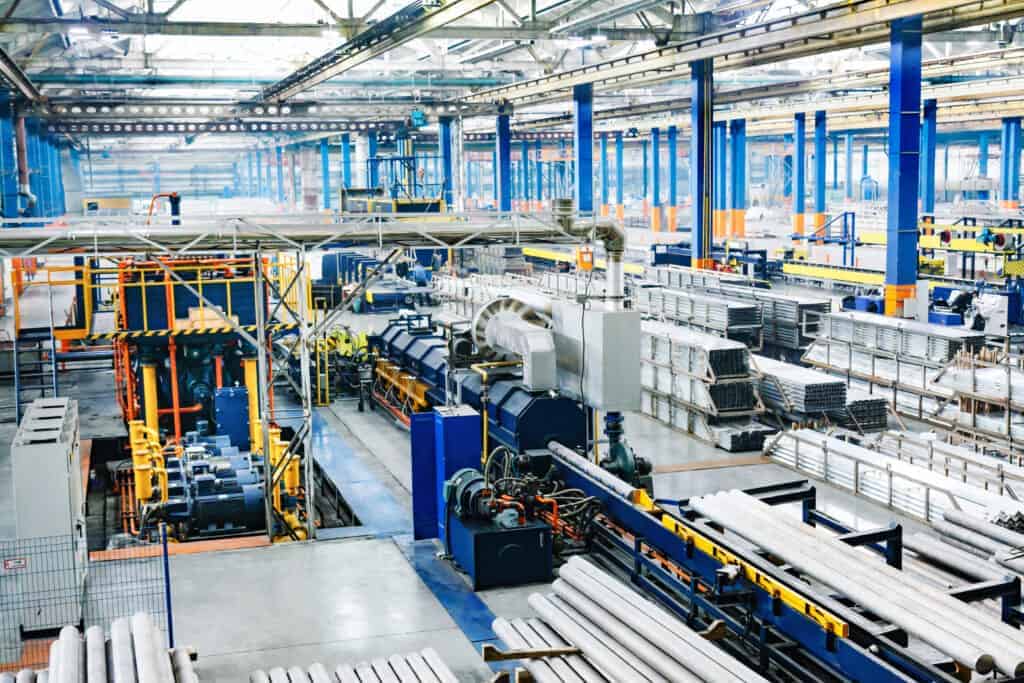
Why MRP is a Game-Changer for Manufacturing Success
Why MRP is a Game-Changer for Manufacturing Success
 In the fierce competition of the manufacturing industry, the ability to keep pace with constantly changing market conditions is crucial. One key to achieving seamless production and satisfied customers is managing resources effectively. This is where Material Requirements Planning (MRP) comes in, a vital tool that plays a fundamental role in any manufacturing process. In this blog post, we will guide you through the basics of MRP and how it can be a game-changer in your manufacturing success.
What is MRP?
Material Requirements Planning (MRP) is a computer-based production planning and inventory control system that helps manufacturers efficiently manage material and production requirements to ensure timely delivery of finished products. In simpler terms, MRP is a planning method that ensures the right materials are available at the right time to meet production demands.
Benefits of MRP
A smooth-running MRP system offers many benefits to manufacturers, including:
-
- Better control over inventory levels, ensuring sufficient stock on hand
- Improved accuracy in forecasting demand, reducing overstocking and understocking
- Time and cost savings by streamlining purchasing and production operations
- Enhanced customer satisfaction through timely delivery of finished products
- Streamlined Supply Chain relationships with suppliers by predicting and planning material needs in advance
- Higher profitability by reducing waste and improving productivity
MRP Implementation
Implementing an MRP system involves the following steps:
-
- Defining the Bill of Materials (BOM) for each product
- Determining the inventory levels and lead times of the raw materials and finished goods
- Calculating the net requirements based on the production plan and customer demand
- Generating a purchasing plan for the required materials
- Monitoring the MRP system to ensure accurate results
While the implementation of MRP can be complex, numerous software packages are available to help automate the process.
Challenges with MRP
MRP systems are not without their challenges. Some common issues include:
-
- Poor quality data leading to inaccurate results
- Inflexible parameters, making it difficult to adjust to changes in demand
- High implementation and maintenance costs for software and hardware
- Complex implementation, with a potentially high learning curve
- Lack of integration with other systems
Best Practices for MRP Implementation
To ensure a successful MRP implementation, manufacturers should adhere to best practices such as:
-
- Gathering and analyzing relevant data to ensure accuracy
- Defining clear parameters that incorporate flexibility for unexpected changes
- Adequate training to ensure all users are proficient with the system
- Regular maintenance to ensure the system stays up-to-date and accurate
- Integration with other systems to streamline operations and workflows
Conclusion
The implementation of Material Requirements Planning (MRP) can be a game-changer for manufacturers. By providing greater control over inventory, enhancing forecasting accuracy, and improving productivity, an MRP system can significantly enhance manufacturing success. Although MRP implementation can be challenging, adhering to best practices can help ensure a successful outcome. By recognizing the benefits of MRP and taking the necessary steps to overcome the challenges, manufacturers can achieve greater efficiency and profitability in their operations.
Contact us today and let our team help your business take the first step towards digital transformation.
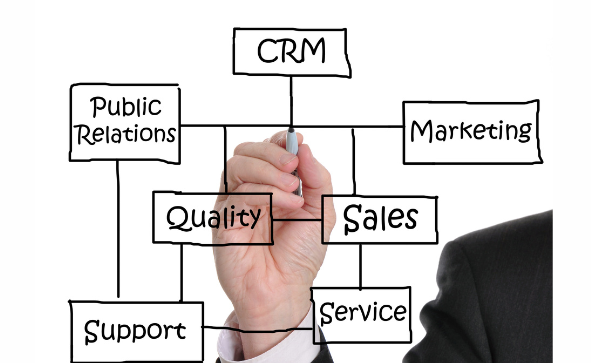
The Importance of Fully Integrating CRM with your ERP System
The Importance of Fully Integrating CRM with your ERP System

As an Operations Director, VP, or CIO, you understand the importance of keeping up with the latest technology trends to stay ahead of the competition. One buzzword that you’ve probably come across is “CRM,” which stands for Customer Relationship Management. But have you considered integrating CRM with an ERP (Enterprise Resource Planning) system? In this blog post, we’ll explore what a CRM represents and why this integration is a game-changer for your business.
What is CRM?
CRM is a business tool that is designed to help companies manage customer interactions, track sales leads, and automate customer service processes. By providing a consolidated view of all your customer data, CRM aids in the identification of customer satisfaction trends and even helps businesses create predictive models for future success. This is achieved by gathering and analyzing customer behavior data, which helps companies personalize their service delivery and improve customer retention rates.
Why integrate CRM with ERP?
ERP systems are critical business solutions that help to streamline company operations. It provides a centralized database that keeps track of all essential business activities across all departments. Integrating CRM with ERP provides a single source of truth for customer data, allowing all teams to function as one team and work towards common goals. This integration also improves the visibility of essential sales data, ultimately aiding in robust decision-making processes and resource allocation. By integrating CRM with ERP, businesses can quickly gain insights that will help achieve sales goals, track customer satisfaction, and gain a competitive edge in their respective markets. Here are some of the benefits below:
- Improved Customer Insights: Integrating CRM with an ERP provides a 360-degree view of the customer. By syncing relevant customer data such as purchase history, service interactions, preferences, and social media activity, you can gain insights into customer behavior, preferences, and needs. This information can help you personalize your marketing and sales efforts, deliver customized products and services, and improve customer satisfaction and retention.
- Streamlined Processes: An ERP system helps you manage your core business processes such as finance, inventory management, and manufacturing. By integrating CRM with ERP, you can automate workflows, reduce manual data entry, and eliminate data duplication. For instance, when a salesperson adds a new customer to CRM, the same data can be automatically synced with the ERP system, allowing the accounting department to create a customer account.
- Improved Collaboration: A significant benefit of integrating CRM with ERP is improved collaboration among various departments such as sales, marketing, customer service, finance, and inventory management. For instance, when a salesperson creates a quote in CRM, the finance team can access the same data for invoicing and payment processing. This real-time collaboration can improve efficiency, reduce errors, and improve customer satisfaction.
- Better Data Analytics: Integrating CRM with ERP can provide you with a wealth of data that you can use for data analytics. With advanced analytics tools, you can generate insights into customer behavior, sales trends, inventory levels, revenue, and profitability. This information can help you make data-driven decisions, identify opportunities for growth and optimization, and monitor your business KPIs.
- Competitive Advantage: Integrating CRM with ERP can give you a competitive advantage. By streamlining processes, improving collaboration, and gaining customer insights, you can improve your overall efficiency and productivity. This can help you reduce costs, improve customer satisfaction, and increase revenue and profitability. As a result, you can stay ahead of the competition, attract new customers, and retain existing ones.
Conclusion
Integrating CRM with an ERP system is a game-changer for businesses. By gaining insights into customer behavior, streamlining processes, improving collaboration, and gaining access to better data analytics, you can improve your overall efficiency and productivity, reduce costs, and increase revenue and profitability. To stay ahead of the competition, you need to consider integrating CRM with ERP and embracing the benefits that come with it. Contact us today and let our team help your business take the first step towards digital transformation.

My Office Apps Introduces Task Management within the Kechie Suite
My Office Apps Introduces Task Management within the Kechie Suite
IRVINE, Calif., Oct. 24, 2023 /PRNewswire/ -- My Office Apps, Inc. (MOA), an industry leader in business improvement software, announced a new Task Management Module within the Kechie Suite.
Today, we are thrilled to announce the launch of our Task Management module, an innovative task management software designed to revolutionize the way our clients, track, prioritize, and collaborate on their tasks. Kechie Task Management is set to transform the landscape of productivity, enabling users to achieve more in less time with enhanced efficiency and ease.
With its intuitive user interface and powerful features, Kechie Task Management simplifies task management like never before. Whether you are part of a small team or a large organization, Kechie Task Management empowers you to stay organized and in control of your workload. Key features include:
- Task Tracking and Prioritization: Create, assign, and prioritize tasks effortlessly. Stay on top of your to-do list and track progress with ease, ensuring nothing falls through the cracks.
- Collaboration and Communication: Foster seamless collaboration within teams. Share tasks, comments, and files in real time, enabling effective communication and eliminating miscommunication.
- Deadline Management: Set deadlines and reminders to ensure timely completion of tasks. Kechie Task Management's smart notifications keep you informed and focused on meeting critical deadlines.
- Fully Integrated: Kechie Task Management seamlessly integrates with the rest of the Kechie modules & processes, allowing you to centralize your task management and streamline your workflow.
"We are excited to unveil our Task Management module, a comprehensive task management solution built to empower our clients to achieve their goals efficiently," said Mariam Komeili, CEO of MOA. "We believe that by combining powerful features with an intuitive user experience, Kechie will redefine how people approach task management, driving productivity and success."
About My Office Apps, Inc.
My Office Apps, Inc. (MOA) is a leader in business improvement software solutions to automate your organization. Building on three decades of software design and development, MOA delivers Kechie™, a transformative business tool. Kechie is a fully integrated Enterprise Resource Planning Software as a Service (SaaS) platform with a simplified user experience and the latest cloud technology. Sold in separate packages – inventory and warehouse management (CRM, Sales, Procurement, Logistics included), manufacturing, finance – or a fully configured ERP system to have all of these individual tools. Kechie is easily configured to the scalable needs of your growing business. For more information on managing your business processes more efficiently and effectively, visit My Office Apps.
This article was published on Cision PR Newswire

How AI is Changing Distribution Management Software
How Artificial Intelligence is Changing Distribution Management Software

The way businesses manage distribution of goods is evolving quickly with advancement of technology today. Traditional distribution management methods are giving way to emerging technologies, and Artificial Intelligence (AI) is leading the charge. We will explore how AI is transforming the way we manage distribution with easy-to-understand explanations.
AI’s Role in Changing Distribution Software
Distribution management software (DMS) is a comprehensive solution that helps businesses effectively manage their supply chain, logistics, inventory, and order fulfillment processes. It provides real-time visibility into inventory levels, automates order processing, optimizes route planning, and facilitates seamless collaboration between various stakeholders. With the integration of AI, distribution management software becomes even more powerful and efficient. In the past, these jobs required extensive human effort and were susceptible to errors. But now, with AI, DMS is getting a significant enhancements. Here’s how:
Predicting Consumer Demand and Forecasting
One of the best things AI does for DMS is making smart predictions. It uses historical data and external factors like market trends and seasonality to forecast demand accurately. This helps companies optimize inventory levels, reducing carrying costs while ensuring products are available when needed.
Smart Inventory Management
AI also helps with managing inventory more efficiently by automating replenishment orders and optimizing stock levels. Through continuous monitoring and real-time adjustments, it minimizes overstock and understock, saving resources and improve customer satisfaction.
Optimizing Route Planning and Delivery
AI algorithms can dynamically optimize route planning based on real-time data, such as traffic conditions, weather forecasts, and delivery priorities. By considering multiple variables and constraints, AI-driven distribution management software can generate the most efficient delivery routes, reducing transportation costs, improving on-time delivery rates, and enhancing customer satisfaction, which are critical in today’s competitive marketplace.
Personalizing Service
AI can provide businesses with insights into customer behavior and preferences, enabling distributors to offer personalized experiences. From suggesting relevant products to target marketing campaigns, AI helps strengthen customer relationships and boost loyalty.
Enhancing Warehouse Operations
AI can significantly improve warehouse operations by optimizing inventory management and warehouse layout. AI algorithms can analyze historical data to identify demand patterns, seasonality, and trends, allowing businesses to optimize stock levels and minimize storage costs. AI-powered distribution management software can also suggest optimal placement of products within the warehouse, reducing the time and effort required for picking and replenishment.
Fraud Detection and Prevention
AI algorithms can identify unusual patterns and detect fraudulent activities in real-time, safeguarding distribution operations from potential financial losses.
Making Better Choices
AI equips distribution managers to make better choices with actionable insights through the analysis of extensive data. These insights provide crucial decision-making data, helping companies in adapting to changing market conditions and stay competitive, thereby enabling them to excel in a competitive market.
Workflow Automation
With AI, distribution management software can automate and streamline the order processing workflow. AI-powered systems can extract relevant information from purchase orders, invoices, and other documents, eliminating the need for manual data entry. This not only saves time but also reduces the risk of errors. AI algorithms can also analyze customer preferences, purchase history, and other data to personalize order processing, resulting in customized experiences, strengthen customer relationships and boost loyalty.
The Future of AI in Distribution Software
As AI technology continues to evolve, its role in DMS is expected to expand. Machine learning, a subset of AI, will become increasingly integrated into DMS, enabling systems to continuously improve and adapt based on data insights. Moreover, AI will facilitate seamless integration between DMS and other business systems, creating a more connected and efficient distribution ecosystem.
In Conclusion
AI is making big changes in Distribution Management Software, by offering unprecedented opportunities for efficiency, cost savings, and customer satisfaction. Businesses that employ AI in their DMS are equipped to gain a competitive edge in a fast changing distribution industry. As technology continues to advance, the role of AI in DMS is set to become even more vital, making it an exciting time for innovation and growth in the world of distribution.
Experience a transformation in your company success by investing in Kechie Distribution Management Software. Contact My Office Apps now to explore how our team can support your organization’s growth and sustainability.
In This Article
AI’s Role in Changing Distribution Software
– Predicting Consumer Demand and Forecasting
– Smart Inventory Management
– Optimizing Route Planning and Delivery
– Personalizing Service
Enhancing Warehouse Operations
– Fraud Detection and Prevention
– Making Better Choices
– Workflow Automation

My Office Apps Recognized for Advanced Technology
My Office Apps was Recognized for its Advanced Technology by Progress© at The 2023 OpenEdge World Tour event

Progress (Nasdaq: PRGS) has unveiled the winners of the 2023 OpenEdge North America Partner Awards, recognizing partners who have made a significant impact through their utilization of Progress® OpenEdge®. This leading application development platform is trusted by over 100,000 enterprises worldwide to streamline the delivery of vital business applications. The award recipients were announced this week as part of the OpenEdge World Tour event in Las Vegas, dedicated to OpenEdge customers and partners.
John Ainsworth, Executive Vice President and General Manager of Application and Data Platform at Progress, highlighted the pivotal role of partners in ensuring customer success, stating, “Each awardee this year has crafted applications that effectively address intricate business challenges, demonstrating the transformative capabilities of Progress technology.”
The OpenEdge North America Partner Awards honor partners who consistently go above and beyond, excelling in various categories and surpassing the expectations of the end-user community. Here are the distinguished winners of the 2023 OpenEdge North America Partner Awards:
Rising Star Award: My Office Apps The Rising Star Award recognizes the partner that is seeing success through its recent use of OpenEdge technology. They offer a high-quality business application that showcases the future of innovation in their industry. Meals on Wheels San Francisco chose My Office Apps’ fully integrated, cloud-based and OpenEdge-powered ERP system, Kechie, to transform its warehouse and inventory management — enabling it to reach its goal of delivering up to 30,000 meals a day and more than two million meals a year.
Read more about the Rising Star Award...

User Access Management in Cloud ERP
User Access Management in Cloud ERP: Balancing Convenience and Security

Cloud ERP systems are now crucial tools for boosting operational effectiveness and driving growth in the modern business environment. As organizations migrate their critical data and processes to the cloud, the paramount concern of Cloud ERP security and data privacy emerges. One of the pivotal aspects of ensuring robust security is user access management. This article delves into the intricacies of user access management in Cloud ERP, exploring the delicate balance between convenience and security to safeguard sensitive information.
User Access: A Key Determinant of Security
User access management plays a pivotal role in maintaining the security posture of Cloud ERP systems. While providing authorized users with convenient access is imperative for seamless operations, it also introduces potential vulnerabilities if not managed effectively. This section discusses the dual challenge of balancing user convenience with stringent security measures in Cloud ERP environments.
Understanding User Roles and Permissions
User access management involves defining and assigning roles and permissions to individuals based on their responsibilities within the organization. My Office Apps' resources offer insights into creating well-defined user roles that align with business processes, ensuring that users have access only to the information and functions relevant to their roles.
Implementing Role-Based Access Controls
Role-based access controls (RBAC) are a cornerstone of user access management. By assigning roles that correspond to specific job functions, RBAC ensures that users can access only the data and functionality necessary for their roles. This approach minimizes the risk of unauthorized data exposure and prevents the escalation of privileges.
Authentication Mechanisms: Balancing Convenience and Security
Selecting appropriate authentication mechanisms is vital for user access management. This includes options such as passwords, biometric verification, and multi-factor authentication (MFA). My Office Apps' insights can guide businesses in choosing authentication methods that strike the right balance between user convenience and security.
Data Privacy Considerations in User Access
User access management directly intersects with data privacy considerations. Organizations must ensure that user access controls extend to sensitive data fields and comply with data protection regulations. This section addresses the importance of data masking, anonymization, and user consent within Cloud ERP systems.
Audit Trails and Monitoring: Keeping a Watchful Eye
Implementing robust audit trails and monitoring mechanisms helps organizations track user activities within Cloud ERP systems. My Office Apps' recommendations can guide the establishment of audit logs that capture user actions, promoting accountability and aiding in investigations if security incidents occur.
Conclusion
User access management within Cloud ERP environments is a dynamic balancing act, where the goals of convenience and security intersect. Organizations must prioritize the implementation of role-based access controls, authentication mechanisms, and data privacy considerations. By referring to Kechie by My Office Apps' expertise on Cloud ERP security and data privacy, businesses can navigate this intricate landscape effectively, ensuring that users enjoy the convenience of seamless
Get in touch with My Office Apps today to discover how our team can support your organization's expansion and long-term viability.

The ERP-AI Fusion for Future-Ready Operations
Reshaping Supply Chain Management: The ERP-AI Fusion for Future-Ready Operations
The landscape of supply chain management has undergone a profound evolution, and at the heart of this transformation lies the integration of Enterprise Resource Planning (ERP) systems with the power of Artificial Intelligence (AI). This article explores the intricate relationship between ERP evolution and the emergence of AI, highlighting their collective impact on supply chain management.
ERP Evolution: From Data Management to Strategic Orchestration
Enterprise Resource Planning (ERP) systems have evolved beyond their origins as mere data management tools. These systems have become strategic orchestrators of business processes, encompassing finance, procurement, manufacturing, and more. With a unified platform for data integration and process automation, ERPs have laid the foundation for streamlined supply chain operations, anticipating trends, and facilitating real-time decision-making, which is crucial for your pursuit of strategic growth.
AI's Synergy with ERP: A New Dimension in Supply Chain Management
The integration of AI into ERP systems introduces a new dimension of intelligence to supply chain management. Through real-time data analysis, AI augments ERP functionalities by making predictions, identifying patterns, and suggesting optimal decisions. This synergy is particularly evident in areas such as logistics optimization, demand forecasting, and intelligent inventory management. With AI-powered ERP systems, you're equipped to fine-tune your supply chain operations, ensuring optimal resource utilization and minimal wastage.
Enhancing Team Collaboration: Unleashing the ERP-AI Synergy
Amidst the logistics optimization, demand forecasting precision, and inventory management revolution, the collaborative advantage of ERP systems and AI stands strong. This partnership fosters effective team collaboration, enabling seamless data sharing and real-time insights across departments. Teams can swiftly respond to challenges, adapt to market dynamics, and collectively drive operational excellence. With ERP and AI in tandem, collaboration becomes a cornerstone for agile, future-ready supply chain management.
Demand Forecasting Precision Amplified
AI's analytical prowess takes demand forecasting within ERPs to new heights. By analyzing historical data, market trends, and external influences, and utilizing a MRP, AI-infused ERPs generate more accurate demand forecasts. This synergy between AI and ERPs ensures that businesses can meet market demands effectively while minimizing costly inventory fluctuations. This translates to better-aligned production, procurement, and distribution, eliminating guesswork and enhancing your cost-efficiency.
Intelligent Inventory Management Redefined
The integration of AI with ERPs revolutionizes inventory management strategies. AI-driven ERPs continuously analyze data to recommend optimal inventory levels, reorder points, and give real-time visibility into your inventory. This collaborative approach enhances supply chain efficiency by preventing stockouts and aligning inventory with actual demand patterns.
In essence, the evolution of ERP systems aligns seamlessly with the rise of AI, forging a dynamic partnership that redefines supply chain management. Keywords like "ERP evolution" and "AI integration" underscore this transformative journey. Through intelligent logistics, precise demand forecasting, and efficient inventory management, the synergy between ERP and AI empowers businesses to navigate the complexities of modern supply chains with unprecedented agility and strategic prowess.
Get in touch with My Office Apps today to discover how our team can support your organization's growth and sustainability.

Unveiling the Magic Behind Material Requirements Planning (MRP)
What's All the Hype About MRP? Unveiling the Magic Behind Material Requirements Planning

Ever heard of Material Requirements Planning (MRP) and wondered what the fuss is all about? Buckle up, because we're about to unravel the mystery behind this business game-changer. From streamlining production to keeping inventory in check, MRP has the spotlight for all the right reasons.
Getting to know MRP
The Breakdown: Material Requirements Planning (MRP) isn't just a jumble of letters; it's your backstage pass to keeping your business show running smoothly. Imagine MRP as a robust calculator, but instead of numbers, it's crunching data to streamline operations:
What is MRP and what does it control? Material Requirements Planning (MRP) is a systematic approach used by businesses to manage and control the flow of materials required for production. It involves forecasting demand, calculating material quantities, and ensuring that the right materials are available at the right time to meet production schedules. Having a robust MRP in inventory management software is crucial in helping business owners control their inventory levels, enhance accuracy and reduce human errors.
What’s the big deal?
The Importance of MRP: MRP holds immense importance in modern business operations for several reasons:
- Streamlined Production: MRP ensures that production processes are well-aligned with demand forecasts. This prevents overproduction or underproduction, leading to optimized production schedules and reduced waste.
- Efficient Inventory Management: With MRP, businesses can maintain optimal inventory levels. Excess inventory ties up capital, while insufficient inventory disrupts production. MRP helps strike the right balance, minimizing carrying costs and ensuring timely availability of materials.
- Enhanced Resource Allocation: MRP assists in allocating resources effectively. It aids in determining which materials are needed when they are needed, and in what quantities. This not only optimizes material usage but also prevents production bottlenecks.
- Reduced Lead Times: MRP reduces lead times by ensuring that materials are available when needed. This enables businesses to respond swiftly to changes in customer demands and market trends.
- Cost Savings: By preventing stockouts and reducing excess inventory, MRP contributes to cost savings. Additionally, efficient resource allocation and production scheduling result in minimized operational costs.
- Improved Decision-Making: MRP provides accurate and real-time insights into material availability and production status. This empowers decision-makers to make informed choices, adapt to changes, and allocate resources strategically.
Conclusion
Material Requirements Planning (MRP) is more than just a tool; it's a strategic approach that empowers businesses to optimize production, inventory management, and resource allocation. In a competitive business landscape, where efficiency and agility are paramount, MRP stands as a cornerstone for achieving operational excellence. By embracing MRP, businesses can unlock enhanced productivity, reduce costs, and improve customer satisfaction, ultimately leading to sustained growth and success. Get in touch with My Office Apps today to discover how our team can support your organization's growth and sustainability.