
A Complete Guide to Migrating to ERP from QuickBooks
Outgrowing QuickBooks? A Complete Guide to Migrating to ERP
This guide will walk you through what QuickBooks users need to know before migrating to an ERP system — including what QuickBooks lacks, how to prepare, which pitfalls to avoid, and how to calculate the ROI of your move.
Why QuickBooks Users Outgrow the Platform
QuickBooks is excellent for startups and small businesses that need basic accounting. But as your operations expand, you begin to feel the limitations. Here are the most critical functionalities missing in QuickBooks that signal it’s time for a more robust solution:
1. No Chart of Accounts Numbers
QuickBooks doesn’t natively support account numbers, making it hard to structure financial reports or track segmented financials across departments or business units.
2. Limited Inventory Management
QuickBooks lacks:
-
-
- Real-time inventory visibility across multiple locations
- Lot and serial number tracking
- Bills of materials (BOMs)
- Support for kits, bundles, and assemblies
-
3. No True Multi-Entity or Multi-Location Management
If you operate in multiple states or countries — or have multiple business entities — QuickBooks doesn’t offer native consolidated reporting or intercompany workflows.
4. Lack of Custom Workflows & Automation
Tasks like approvals, recurring billing, or inventory reordering must be handled manually or with clunky workarounds.
5. Weak Permission Controls
QuickBooks doesn’t provide robust role-based access controls, making it harder to manage internal security or enforce audit trails.
6. No Integrated CRM or Order Management
CRM, quote-to-order, or customer lifecycle tools need to be added separately — often creating disconnected systems and inconsistent data.
7. Scalability and Performance Issues
Larger transaction volumes or multi-user access often slow the system, and QuickBooks Online’s limitations become apparent quickly.
How to Prepare for ERP Migration: A Step-by-Step Guide
Moving to an ERP is a big step, but a well-planned migration makes all the difference. Here’s how to approach it:
Step 1: Assess Your Business Requirements
Start by listing:
- What’s not working in QuickBooks?
- What functionality do you need in your next system?
- Which departments will use the ERP?
- How do you want reporting, inventory, purchasing, and CRM to work together?
🧠 Pro Tip: Involve stakeholders from finance, operations, sales, and warehouse teams in this conversation — each will have different needs and frustrations to address.
Step 2: Choose the Right ERP
Look for:
- Industry-specific functionality
- Cloud-native flexibility
- Modular growth (start with core accounting, add inventory, CRM, etc.)
- A strong onboarding and support track record
💡 Consider ERP systems like Kechie ERP, which offer powerful financials, integrated inventory and CRM, and built-in best practices — ideal for QuickBooks users ready to scale.
Step 3: Clean and Map Your Data
Migration is only as good as the data you bring with you. Start by:
- Cleaning up your Chart of Accounts
- Removing duplicate or inactive vendors, customers, and SKUs
- Mapping QuickBooks fields to your ERP (e.g., Inventory GL account → ERP GL code 1400)
- Standardizing formats for addresses, SKUs, and naming conventions
📌 Be sure to add account numbers to your Chart of Accounts — ERPs rely on structured numbering for segmentation, reporting, and hierarchy.
Step 4: Redesign Your Workflows
Don’t replicate QuickBooks in your ERP — improve your processes.
Common ERP workflow enhancements:
- Automate purchase order generation based on stock levels
- Add multi-stage invoice approvals
- Connect sales orders to fulfillment and invoicing
- Streamline receiving and inventory updates
🛠️ Use the ERP’s capabilities to automate where QuickBooks forced manual steps.
Step 5: Configure and Customize Thoughtfully
Your implementation partner will help you:
- Set up your COA with account numbers and segments
- Create roles, permissions, and access controls
- Define tax rules, shipping methods, and terms
- Build dashboards for real-time business insight
🚫 Don’t over-customize too soon — start with standard configurations and adapt as needed.
Step 6: Run a Pilot and Go Live in Phases
Avoid a “big bang” approach. Instead:
- Test a subset of live data (1 month’s worth) in a sandbox
- Validate financials and transaction flows
- Train users on a limited scope
- Go live in phases — starting with accounting, then inventory, CRM, and more
Step 7: Train Your Team and Support Change
A successful ERP rollout depends on user adoption.
Training tips:
- Offer role-specific training sessions
- Record how-to videos and create quick reference guides
- Assign “ERP champions” in each department
- Create a feedback loop to handle issues quickly
What to Avoid During Migration
- Migrating outdated or incorrect data
- Failing to define ownership for each functional area
- Ignoring user training and change management
- Over-customizing before you understand standard ERP features
What ROI Can You Expect?
A modern ERP helps you:
✅ Reduce manual data entry and errors
✅ Improve inventory accuracy
✅ Increase order fulfillment speed
✅ Make better business decisions with real-time data
✅ Scale operations without changing systems again
Most businesses report a full return on investment within 12–24 months, depending on complexity.
Final Thoughts
QuickBooks is great — until it’s not. Once you need better inventory control, stronger financial structure, automation, and cross-functional visibility, it’s time for ERP.
Systems like Kechie ERP offer QuickBooks users a smarter, scalable next step, without the overwhelm. With the right planning, migration can be smooth, efficient, and incredibly rewarding.
Stay tuned for our series of insightful blogs—your roadmap to exploring the full potential of an ERP.


What is EDI?
What Does EDI Stand For and What Does It Do?
Connect with us today, our expert team is here to guide you through the process and help you discover the transformative potential of our solutions.
Stay tuned for our series of insightful blogs—your roadmap to exploring the full potential of ERP.
How Kechie ERP Software Transforms Operations Across Key Business Sectors
How Kechie ERP Software Transforms Operations Across Key Business Sectors

It is easy to say automation will fix everything. But what if one tool made running operations truly simple? That tool is Kechie ERP. It is flexible, easy to use, and built for businesses of all sizes.
Claims are easy to make. So let's look at what makes Kechie ERP stand out. We'll explore how it transforms workflows and drives success across various business sectors.
Kechie ERP supports diverse business sectors, enhancing efficiency and growth.
Kechie ERP is an all-in-one system. You can tailor it to distributors, manufacturers, and service businesses. You may manage supply chains, run production, or handle customer service. Kechie ERP simplifies daily tasks and saves time. First, let's look at how companies in these sectors can run their operations better with Kechie ERP.
Distributors: Streamlining Operations with Kechie ERP
Distributors need a reliable system for inventory, logistics, and customer relationships. These tasks are often manual, slow, and error-prone. Kechie ERP automates repetitive tasks. The whole distribution process runs faster.
For instance, if you’re rushing to create a sales order but don't have time to create invoices and packing slips. Kechie ERP does it for you. Once the sales order is entered and shipped, the system creates both the invoice and packing slip.
Additionally, Kechie ERP features a B2B portal that allows wholesalers to view available merchandise in your warehouse and make purchases—streamlining order management and communication.
With Kechie ERP, distribution companies can efficiently track orders, optimize their supply chains, and maintain excellent customer service, all from CRM to procurement, logistics, order management, returns, and financials. It truly covers it all.
Key Features for Distributors:
- Automated Order Processing: Automatically generates invoices and packing slips, reducing manual effort and errors.
- B2B Portal: Seamlessly share inventory availability with retailers and wholesalers for easier order management.
- Demand Forecasting & Replenishment: Use data-driven insights to optimize inventory levels and avoid stockouts or overstocking.
- Multi-Channel Order Management: Manage orders from various sales channels, including e-commerce platforms, marketplaces, and retail locations.
- Returns & Reverse Logistics: Simplify returns processing and maintain customer satisfaction.
- Supplier & Vendor Management: Create purchase orders automatically, rate vendors with scorecards, and work with suppliers in real time.
- Warehouse Management System (WMS): Optimize storage, picking, and shipping processes for better fulfillment efficiency.
- EDI Integration: Ensure seamless electronic data interchange with suppliers and customers.
- Automated Pricing & Discounts: Easily manage tiered pricing, bulk discounts, and promotional pricing rules.
- Fleet & Delivery Management: Improve last-mile delivery efficiency with real-time tracking.
- Financial Reporting & Cash Management: See your finances in real time, manage cash flow better, and simplify accounting to raise profits.
Manufacturers: Simplifying Complex Workflows
Manufacturers deal with complex workflows, supply chain problems, and strict quality control. Kechie ERP brings these tasks into one system. It automates key steps, tracks production, and keeps quality high through every run.
Kechie lets you adjust production jobs without losing accuracy. It also gives full traceability for every material and step, start to finish.
So, how does Kechie ERP streamline manufacturing workflows? The software brings scheduling, task management, and quality control together. Manufacturers can track every step of production.
With full audit visibility, manufacturers can improve production schedules, enhance inventory management, and stay compliant with industry standards—all while reducing manual tasks and improving operational efficiency.
Key Features for Manufacturers:
- Material Requirements Planning (MRP): Optimize raw material procurement and align inventory with production schedules.
- Bill of Materials (BOM) Management: Track and manage multi-level BOMs to efficiently oversee product assembly.
- Production Scheduling & Capacity Planning: Allocate resources effectively to minimize downtime and ensure seamless production.
- Shop Floor Control: Real-time tracking of work orders, labor, machine usage, and production efficiency.
- Quality Control & Compliance: Implement inspections, enforce regulatory standards, and keep audit-ready compliance records.
- Traceability & Lot/Serial Tracking: Maintain full transparency from raw materials to finished goods with complete traceability.
- External Manufacturing Management: Track outsourced production and ensure external suppliers meet quality standards.
- Automated Workflows: Streamline approval processes, production workflows, and compliance reporting.
- Cost Tracking & Variance Analysis: Monitor cost fluctuations and profitability throughout the production cycle.
- Financial Reporting: Optimize financial oversight and track key performance indicators (KPIs) for smarter decision-making.
Service-Based Companies: Enhancing Flexibility and Efficiency
Service businesses in consulting, education, or maintenance need flexible tools. They schedule appointments, manage projects, and keep strong client relationships. Kechie ERP gives service companies strong tools for tasks, time tracking, equipment upkeep, and customer relationships.
For example, field technicians can create a work order from their phone.
When the job is done, stock levels update in real time. Customers are billed right away if their payment details are on file.
Kechie ERP also ensures PCI-compliant, tokenized transactions through its accounting module. For long-term service contracts, Kechie ERP supports deferred revenue. Revenue is recognized correctly over the life of the contract. This guarantees compliance and accurate financial reporting.
Key Features for Service Companies:
- Work Order Management: Create and manage work orders in real-time, track job status, and automate billing.
- Field Service Management: Let technicians update job status, view service history, and take payments on mobile devices.
- Time & Expense Tracking: Log billable hours and expenses with ease for client projects.
- Deferred Revenue Recognition: Automate the recognition of revenue for long-term contracts, ensuring financial accuracy and compliance.
- Contract Management: Track service agreements, automate renewals, and ensure compliance with client SLAs.
- Customer Relationship Management (CRM): Foster better customer relationships with automated follow-ups, personalized interactions, and centralized customer data.
- Appointment Scheduling & Dispatching: Optimize technician schedules and reduce unnecessary travel time.
- Recurring Billing & Subscription Management: Automate invoicing for ongoing contracts and subscription-based offerings.
- Project Costing & Budgeting: Keep a close eye on project profitability with real-time cost tracking.
- Financial Insights: Track KPIs, improve financial transparency, and drive business growth.
Kechie ERP gives any type of business the tools and automation to run smoother and faster. Distributor, manufacturer, or service provider: Kechie ERP fits your needs and supports your growth.
Want to know how Kechie ERP helps specific industries? Watch for our upcoming article on how our software helps companies in many industries succeed.
Contact us today to learn how Kechie ERP can improve your inventory management!
Watch for our blog series. It is your guide to getting the most from ERP.
What is Inventory? A Comprehensive Guide to Types and Uses
What is Inventory? A Comprehensive Guide to Types and Uses

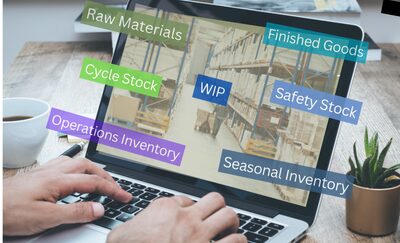
In this blog, we explain what inventory is and its main types. We show how each type supports your business and how stock levels affect your finances and operations.
What is Inventory?
Inventory covers all the physical items a company manages in its supply chain. These include raw materials, work in progress, finished products, and supplies used in production. Properly managing inventory is essential for businesses to:
- Meet customer demand without delays.
- Reduce excess stock and associated carrying costs.
- Improve cash flow and operational efficiency.
- Respond quickly to market fluctuations or disruptions.
Inventory is not merely a static concept; it is dynamic and directly impacts multiple business processes, from procurement and production to sales and customer service.
Types of Inventory
Understanding the different types of inventory is crucial for optimizing business processes. Let’s break down the main categories:
1.Raw Materials
Raw materials are the basic components used in manufacturing or production processes. These are often purchased from suppliers and transformed into finished goods.
Examples: Steel for car manufacturing, flour for baking, or fabric for clothing production.
Uses:
-
- Essential for starting the production process.
- Stock levels must align with production schedules to avoid disruptions.
- Provides flexibility to respond to changes in production demand.
2.Work-in-Progress (WIP)
Work-in-progress inventory refers to items that are partially completed. These goods are partway between raw materials and finished products.
Examples: Examples: a car frame on an assembly line or dough in a bakery.
Uses:
-
- Represents the intermediary stage of production.
- Managing WIP helps track production efficiency and identify bottlenecks.
- Reduces idle time in manufacturing by ensuring a continuous flow of goods.
3. Finished Goods
Finished goods are the final products that are ready for sale to customers. These items have completed the manufacturing process and meet quality standards.
Examples: Smartphones, packaged food, or furniture.
Uses:
-
- Directly impact revenue as these goods are sold to customers.
- Efficient turnover of finished goods is vital to maintain cash flow.
- Acts as a measure of demand forecasting accuracy.
4. Maintenance, Repair, and Operations (MRO) Inventory
MRO inventory covers items that are not part of the final product. You still need them to keep the business running.
Examples: Spare machine parts, cleaning supplies, or lubricants.
Uses:
-
- Ensures that equipment and facilities remain functional.
- Reduces downtime caused by equipment failure.
- Critical for maintaining operational continuity.
5. Safety Stock
Safety stock is extra inventory you keep on hand. It protects you from supply delays or sudden jumps in demand.
Examples: Additional raw materials or finished goods stored as a buffer.
Uses:
-
- Acts as a safeguard against uncertainties.
- Helps maintain customer satisfaction by avoiding stockouts.
- Provides a cushion during supply chain disruptions or peak seasons.
6. Cycle Stock
Cycle stock is the portion of inventory regularly used to fulfill orders. It’s the stock that is cycled through in normal business operations.
Examples: Everyday items in retail stores or production materials for consistent demand.
Uses:
-
- Optimized based on order frequency and lead times.
- Reduces holding costs by minimizing overstocking.
- Aligns inventory turnover with operational efficiency goals.
7. Seasonal Inventory
Seasonal inventory covers goods stocked for seasonal demand, like holiday items or summer clothes.
Examples: Christmas decorations or swimsuits.
Uses:
-
- Ensures businesses are prepared for peak demand periods.
- Requires accurate forecasting to prevent excess inventory.
- Helps capitalize on short-term market trends.
8. Consignment Inventory
Consignment inventory is stock a supplier owns but stores at the buyer's site until it sells.
Examples: Branded apparel at retail stores.
Uses:
-
- Reduces upfront costs for buyers.
- Encourages suppliers to ensure their products sell quickly.
- Promotes collaboration between buyers and suppliers.
The Effect of Inventory on Your Business
Managing inventory levels effectively is a balancing act. Inventory has a big effect on your financial results and daily operations.
Effects of Inventory: Overstock and understock
Managing stock levels is crucial. Both overstock and stockouts can hurt your finances and operations. Below are the key impacts of not maintaining a balance in inventory:
Impacts of Overstock:
- Improved Customer Satisfaction: Overstock ensures products are readily available to meet customer demand.
- Reduced Risk of Stockouts: Having extra inventory minimizes disruptions in operations due to unavailable materials.
- Ability to Capitalize on Bulk Discounts: Purchasing large quantities can lead to cost savings from suppliers.
- Flexibility for Market Changes: A buffer stock lets you respond fast to sudden demand or supply delays.
- Challenges: But overstock raises carrying costs. Items can become outdated, especially seasonal or perishable goods. It ties up cash you could use elsewhere and fills storage space, which raises costs.
Impacts of Stockout:
- Lower Holding Costs: Stockout reduces expenses related to storage and maintenance.
- Improved Cash Flow: With less money tied up in stock, you can put cash toward other needs.
- Minimized Risk of Obsolescence: Lean inventory reduces the likelihood of items becoming outdated or unsellable.
- Efficient Use of Space: Reducing inventory frees up valuable storage space for other operations.
- Challenges: On the other side, stockouts cost you sales and customer trust. They disrupt production, raise rush-order costs, and push customers to competitors.
Balancing inventory is not only about maintaining financial health but also about ensuring customer satisfaction and operational efficiency. The right tools help you keep stock at the ideal level, lower risk, and raise profits. An integrated ERP with strong inventory and CRM features is one example.
- Stockouts and Lost Sales: Inability to meet customer demand can harm brand reputation and revenue.
- Production Delays: Running short on raw materials or parts can stop production and throw off schedules.
- Higher Costs for Urgent Procurement: Rush shipping and emergency orders can drive purchasing costs up sharply.
- Reduced Customer Loyalty: Frequent stockouts hurt customer trust and send buyers to competitors.
Conclusion
Inventory is the backbone of any supply chain. Knowing its types is key to managing it well. Each type, from raw materials to finished goods, has a specific purpose. Each affects a different part of your operations. Striking the right balance between too much and too little inventory is critical to achieving operational efficiency and maintaining financial health.
By leveraging modern tools like Kechie ERP, businesses can gain real-time insights, streamline inventory processes, and ensure they remain competitive in a fast-paced market.
Contact us today to learn how Kechie ERP can improve your inventory management!
Watch for our blog series. It is your guide to getting the most from ERP.
What is Reverse Logistics? A Comprehensive Guide
What is Reverse Logistics? A Comprehensive Guide

Reverse logistics has become increasingly important as businesses strive for sustainability and improved customer satisfaction. Let's explore what it is and why it matters.
Understanding Reverse Logistics
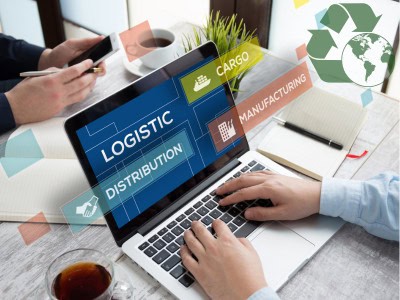
Reverse logistics involves the movement and management of goods after their initial sale. It typically includes:
- Returns Management: Processing customer returns for refund, replacement, or repair.
- Recycling and Disposal: Ensuring end-of-life products are disposed of responsibly or recycled.
- Refurbishing and Reselling: Repairing and repackaging items for resale.
- Warranty Recovery: Managing defective products under warranty.
- Asset Recovery: Recovering value from unsold inventory or unused equipment.
These processes not only help businesses recapture value but also contribute to sustainability efforts by reducing waste.
Why is Reverse Logistics Important?
- Enhanced Customer Satisfaction: Seamless return and replacement processes improve customer loyalty and trust.
- Cost Savings: Streamlining the returns process lowers operational expenses and recovers value from returned items.
- Regulatory Compliance: Proper disposal and recycling can help businesses meet environmental regulations.
- Sustainability: Promoting eco-friendly practices aligns with corporate social responsibility goals and appeals to environmentally conscious consumers.
Challenges in Reverse Logistics
Despite its benefits, reverse logistics poses challenges, such as:
- Complex Processes: Managing multiple steps, from product inspection to restocking or recycling.
- High Costs: Transportation, repair, and disposal can be expensive.
- Inventory Tracking: Keeping track of returned or refurbished products can strain existing systems.
Investing in robust ERP software like Kechie ERP can help businesses streamline reverse logistics operations. Kechie Inventory Management System integrates with your supply chain to track returned goods, automate workflows, and optimize asset recovery.
How to Optimize Reverse Logistics
- Leverage Technology: Use ERP system like Kechie RMA to track and manage returns efficiently.
- Create Clear Policies: Transparent return and recycling policies simplify processes for customers and employees.
- Focus on Sustainability: Partner with recycling firms or refurbish products to reduce environmental impact.
- Analyze Data: Monitor return patterns to identify product quality issues or other trends.
The Future of Reverse Logistics
With the rise of e-commerce, reverse logistics—the process of handling product returns—is becoming more important than ever. Managing returns efficiently is no longer just about cutting costs; it’s about creating a better customer experience and building a stronger, more sustainable business.
Conclusion
Reverse logistics isn’t just about handling returns—it’s a strategic process that can drive significant business value. From enhancing sustainability to improving customer experiences, mastering reverse logistics is essential for modern businesses. With the advancements in automation, artificial intelligence, and data analytics, tools like Kechie ERP simplify the process, making it more accurate, efficient, and resource-friendly.
Connect with us today and let our expert team guide you through the process of discovering the transformative potential of our solutions.
Stay tuned for our series of insightful blogs—your roadmap to exploring the full potential of ERP.
Inventory Management with ERP
Inventory Management with ERP

What is the Meaning of Inventory Management with ERP?
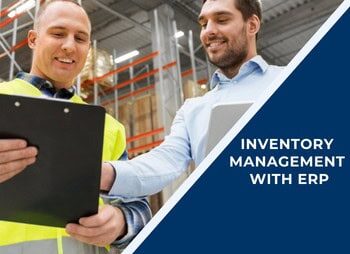
Inventory management refers to the process of tracking and controlling a company’s stock, including raw materials, work-in-progress goods, and finished products. ERP systems integrate inventory management into a unified platform, connecting it with procurement, sales, and finance modules.
For example, when stock levels drop below a set threshold, the ERP system can automatically trigger purchase orders, ensuring seamless operations without stockouts or overstocking.
What Are the Advantages and Disadvantages of Inventory Management with ERP?
Advantages
- Centralized Data: Real-time visibility into stock levels across multiple locations.
- Automation: Reduces manual tasks like inventory counting and reorder management.
- Demand Forecasting: Advanced analytics predict stock requirements, preventing overstocking or shortages.
- Cost Savings: Minimized wastage and improved resource allocation.
Disadvantages
- High Initial Costs: ERP implementation requires significant investment.
- Complex Setup: Customizing the system to fit specific business needs can be challenging.
- Learning Curve: Employees need adequate training to use ERP tools effectively.
What Are the Benefits of Inventory Management with ERP?
- Accurate Stock Levels: ERP systems provide precise inventory tracking, ensuring accurate stock counts.
- Improved Efficiency: Automation streamlines inventory processes, reducing errors and saving time.
- Better Decision-Making: Access to real-time data enables strategic decisions about procurement and stocking.
- Enhanced Customer Satisfaction: Timely order fulfillment improves customer trust and loyalty.
Conclusion
ERP systems have transformed inventory management, providing businesses with tools to optimize stock levels, streamline operations, and enhance customer satisfaction. Despite the challenges of implementation, the benefits of ERP far outweigh the drawbacks, making it an invaluable asset for modern businesses. With the right ERP solution, companies can achieve greater efficiency and competitiveness in today’s demanding market.

Sales Order Processing with ERP
Sales Order Processing with ERP

Sales order processing is a critical component of a business’s operations, involving the management of customer orders from initiation to fulfillment. Traditional order processing methods often involve manual tasks, leading to inefficiencies and errors. ERP systems have changed the game, making it easier and more efficient to manage sales orders automatically.
What is the Meaning of Sales Order Processing with ERP?
Sales order processing refers to the steps involved in receiving, tracking, and fulfilling customer orders. When integrated with an ERP system, this process becomes automated and streamlined, connecting sales with inventory, shipping, and accounting modules.
For example, an ERP system can automatically check inventory levels when an order is placed, ensuring the product is available and initiating the shipping process immediately.
What Are the Advantages and Disadvantages of Sales Order Processing with ERP?
Advantages
- Streamlined Workflows: Eliminates manual data entry, reducing errors.
- Faster Fulfillment: Real-time data ensures quicker order processing.
- Enhanced Visibility: Provides a clear view of order status for all stakeholders.
- Integration: Links sales orders to inventory, finance, and CRM modules.
Disadvantages
- Complex Implementation: Customizing ERP for unique order processes can be challenging.
- Cost: While there is a high initial investment in software and training, the long-term ROI makes it a worthwhile expense.
- System Reliance: Dependence on ERP can cause issues if the system encounters downtime. However, investing in cloud ERP solutions significantly reduce this risk by offering reliable uptime, data redundancy, and seamless access from anywhere.
What Are the Benefits of Sales Order Processing with ERP?
- Improved Customer Experience: Faster order processing leads to higher customer satisfaction.
- Better Decision-Making: Data insights help in optimizing order fulfillment strategies.
- Reduced Errors: Automation minimizes mistakes in order entry and tracking.
- Scalability: Supports growing businesses by handling increased order volumes seamlessly.
Conclusion
ERP systems have redefined sales order processing, making it faster, more accurate, and integrated across business functions. By investing in the right ERP solution, businesses can streamline order workflows, enhance customer satisfaction, and scale operations efficiently.
Explore related tools and articles
Financial Reporting with ERP
Financial Reporting with ERP
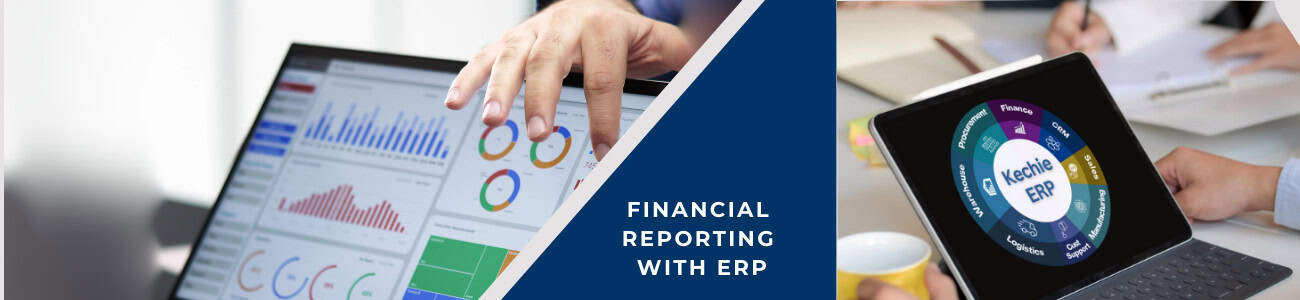
Accurate and timely financial reporting is essential for any business to monitor performance, meet compliance requirements, and make informed decisions. However, traditional financial reporting methods can be time-consuming and error-prone. ERP systems simplify this by centralizing financial data and automating reporting processes.
What is the Meaning of Financial Reporting with ERP?
Financial reporting with ERP involves using integrated software to generate comprehensive reports on financial performance. ERP systems consolidate data from various departments, offering a unified view of the organization’s finances. Additionally, ERP solutions provide Key Performance Indicators (KPIs) to track and measure critical financial metrics, ensuring businesses can monitor performance and make informed decisions efficiently.
What Are the Advantages and Disadvantages of Financial Reporting with ERP?
Advantages
1. Real-Time Insights: Immediate access to up-to-date financial data.
2. Automation: Reduces manual errors in financial reporting.
3. Compliance Support: Built-in tools for adhering to regulatory standards.
4. Customizable Reports: Tailored reporting to suit specific business needs.
Disadvantages
1. High Costs: Advanced ERP systems can be expensive.
2. Complexity: Employees require training to use financial reporting tools effectively.
3. Data Migration Challenges: Transferring legacy financial data to ERP can be resource-intensive.
What Are the Benefits of Financial Reporting with ERP?
1. Enhanced Accuracy: Automated calculations reduce errors.
2. Time Savings: Faster report generation allows more focus on strategy.
3. Better Transparency: Provides a clear picture of financial health to stakeholders.
4. Improved Decision-Making: Data-driven insights for strategic planning.
Conclusion
ERP systems make financial reporting more efficient, accurate, and insightful. Businesses leveraging ERP for financial management can enjoy streamlined operations, improved compliance, and enhanced decision-making capabilities.
Explore related tools and articles
Supply Chain Integration with ERP
Supply Chain Integration with ERP

A well-integrated supply chain is vital for businesses aiming to remain competitive. It ensures seamless coordination between procurement, manufacturing, inventory, and distribution. ERP systems play a key role in achieving supply chain integration by providing a unified platform that connects all these processes.
What is the Meaning of Supply Chain Integration with ERP?
Supply chain integration involves aligning and linking all components of the supply chain to work cohesively. With an ERP system, businesses can synchronize supply chain activities, improving communication and collaboration among suppliers, manufacturers, and distributors.
What Are the Advantages and Disadvantages of Supply Chain Integration with ERP?
Advantages
1. Enhanced Visibility: Real-time tracking of inventory, orders, and shipments.
2. Improved Coordination: Streamlines communication between stakeholders.
3. Cost Efficiency: Reduces waste and optimizes resource utilization.
4. Demand Forecasting: Predictive analytics help in planning for future demand.
Disadvantages
1. High Setup Costs: Implementation can be expensive for smaller businesses.
2. Dependency on Accuracy: Data inaccuracies can disrupt the entire supply chain.
3. Complexity: Requires meticulous planning and expert management during setup.
What Are the Benefits of Supply Chain Integration with ERP?
1. Streamlined Operations: Integrated systems reduce delays and inefficiencies.
2. Better Customer Service: Faster order fulfillment leads to higher satisfaction.
3. Scalability: Supports growing supply chain complexities as the business expands.
4. Risk Management: Identifies potential bottlenecks and risks in advance.
Conclusion
ERP systems enable businesses to integrate and streamline their supply chain processes effectively. By ensuring real-time visibility and better coordination, ERP solutions help businesses reduce costs, enhance efficiency, and stay competitive in an ever-changing market.
Explore related tools and articles

Customer Relationship Management with ERP
Customer Relationship Management (CRM) with ERP

Customer Relationship Management (CRM) focuses on building and maintaining strong relationships with customers. By integrating CRM with ERP systems, businesses can achieve a unified view of customer interactions, enabling more personalized and efficient service.
The Role of ERP in CRM
While a standalone CRM system focuses solely on customer interactions, an ERP system integrates multiple business processes, including finance, inventory, sales, and operations. By combining CRM with ERP, businesses gain a unified platform that bridges customer-facing functions with backend operations, creating a seamless flow of information across departments.
Benefits of CRM with ERP Integration
1. Enhanced Data Visibility
Integrating CRM with ERP ensures that customer data is no longer siloed. Sales, customer service, and support teams can access real-time data, such as order history, payment status, and inventory availability, enabling them to provide informed and timely assistance to customers.
2. Streamlined Processes
With CRM-ERP integration, businesses can automate processes like order management, invoicing, and customer service. This reduces manual errors, saves time, and improves operational efficiency.
3. Improved Customer Experience
Having access to a customer’s complete history allows businesses to personalize interactions, anticipate needs, and offer tailored solutions. This leads to higher customer satisfaction and loyalty.
4. Informed Decision-Making
Integrated systems provide comprehensive analytics and reporting capabilities. Businesses can track key metrics, identify trends, and make data-driven decisions to improve customer engagement and overall performance.
5. Scalability and Flexibility
As businesses grow, their needs evolve. CRM-ERP systems are scalable, making it easier to adapt to increased customer demands and operational complexities.
Key Features of CRM in ERP Systems
- Customer Database Management: Centralized storage of customer contact details, purchase history, and preferences.
- Sales Automation: Streamline sales processes, from lead generation to closing deals.
- Customer Support: Efficiently manage support tickets and track resolution timelines.
- Marketing Campaigns: Plan, execute, and track the success of marketing campaigns.
- Analytics and Reporting: Gain insights into customer behavior, sales trends, and performance metrics.
Real-World Applications of CRM with ERP
1. e-Commerce: Personalize shopping experiences by tracking customer preferences and purchase history.
2. Manufacturing: Improve customer satisfaction by providing accurate delivery timelines and resolving issues quickly.
3. Nonprofits: Track donor contributions, manage fundraising campaigns, and build lasting relationships with volunteers and stakeholders.
4. Distribution: Optimize order management, track delivery schedules, and ensure accurate inventory levels to meet customer demands effectively.
Conclusion
By integrating CRM and ERP, businesses can create a seamless and efficient customer experience, build stronger relationships, and drive sustainable growth.
Key Takeaways:
- CRM and ERP integration provides a 360-degree view of customers.
- Streamlines order fulfillment and improves customer service.
- Enables data-driven decision-making for enhanced customer satisfaction.
- Increases sales and revenue through personalized interactions.
- Improves operational efficiency and reduces costs.
- Builds stronger customer relationships and drives business growth.
Explore related tools and articles